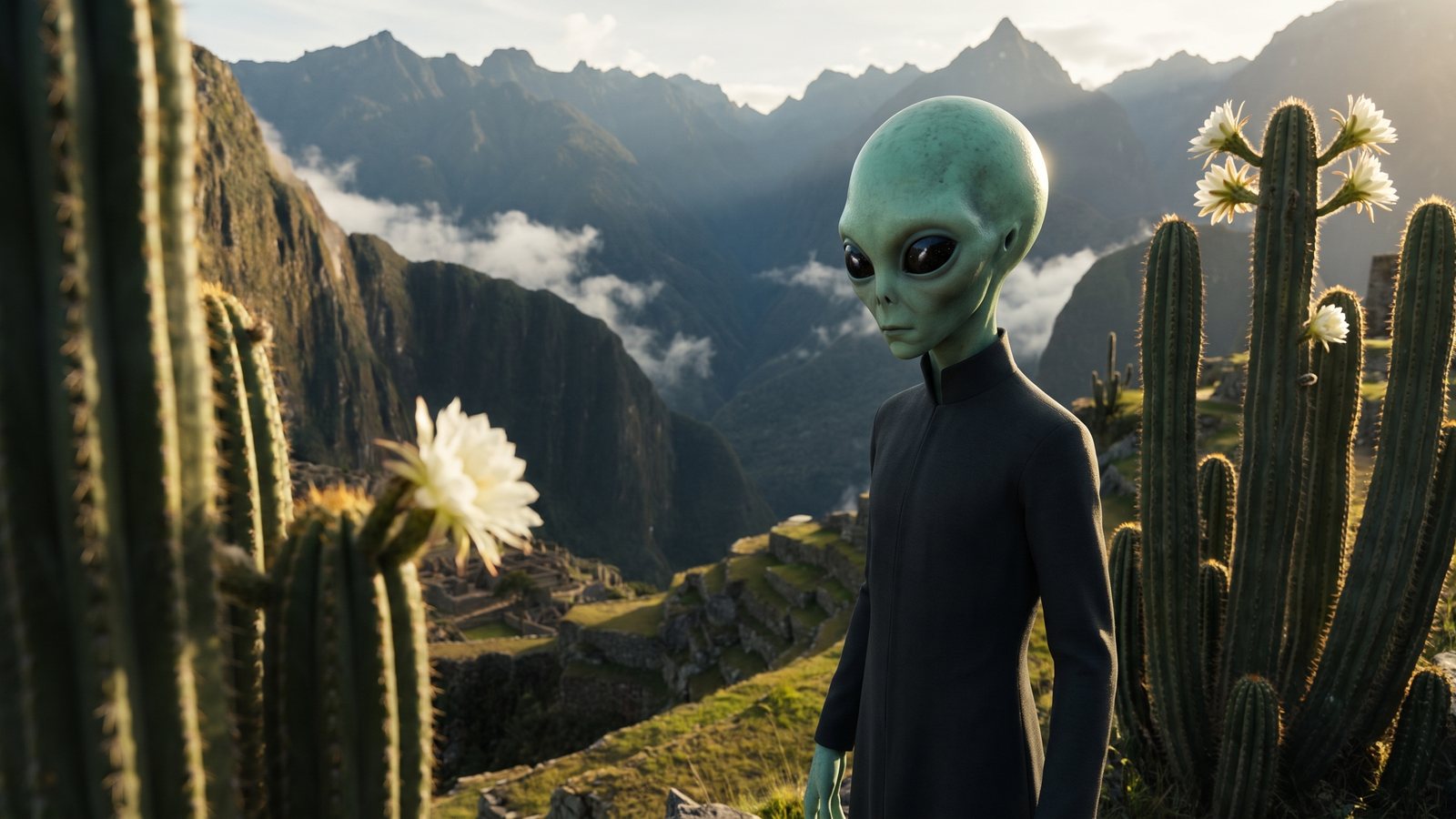
THE SHROOMVERSE JOURNAL ✳ 13 MIN READ
Wachuma vs ayahuasca: how the San Pedro cactus and the Amazonian brew compare
Topic: DMT
Published
Short answer, checked 24 October 2026
San Pedro (wachuma) is an Andean cactus whose main psychoactive alkaloid is mescaline, a phenethylamine; ayahuasca is an Amazonian brew whose DMT, a tryptamine, works by mouth only because β-carbolines block the enzyme MAO-A. Both act mainly at serotonin 2A receptors. In separate trials, pure mescaline’s effects lasted a mean of 11.1 hours, while ayahuasca’s peaked at 1.5 to 2 hours. In Canada, mescaline, DMT and harmaline are all Schedule III substances; the mescaline entry excludes peyote by name, not San Pedro.
THE SHORT VERSION · SWIPE
On this page 9 sections
San Pedro and ayahuasca are often mentioned in the same breath, as if they were two flavours of one thing. They come from different plants, different landscapes and different chemical families. This guide compares them using peer-reviewed research, plant checklists and the text of Canadian law. For the basics of the brew, read what is ayahuasca; for peyote, see ayahuasca vs ibogaine vs peyote.
Education only, not guidance
This article describes published research, archaeology and law. It gives no amounts, no preparation, no ways of taking anything and no advice on combinations, and it does not recommend any setting, ceremony or retreat. Both traditions belong to living Indigenous and mestizo communities; we describe them from published sources and do not speak for them. Evidence labels: established (shown in peer-reviewed studies and not seriously disputed), preliminary (early, small or indirect) and unresolved (an open question).
What plants are San Pedro and ayahuasca?
San Pedro is a columnar cactus. Kew’s World Checklist of Vascular Plants, the backbone of Plants of the World Online, accepts it as Echinopsis pachanoi and gives its native range as southern Ecuador to Peru; the same record notes it is naturalised in the Colombian Andes (Kew WCVP via ColPlantA). Other checklists disagree on the name: the WFO Plant List accepts Trichocereus macrogonus var. pachanoi, with Echinopsis pachanoi and Trichocereus pachanoi as synonyms (WFO Plant List). Older names in papers include cimora, another vernacular name recorded in northern Peru (Bussmann et al., 2007). Evidence: established; the classification itself is unresolved.
Wachuma (also written huachuma) is the Andean name used in archaeology for the same cactus (Rick et al., 2025; Uthaug et al., 2022). Ayahuasca is not one plant. It is a brew based on the vine Banisteriopsis caapi, which holds β-carbolines but little or no DMT; the DMT usually comes from the leaves of other plants, and some Amazonian groups use the vine alone (Egger et al., 2024). A controlled trial described the brew it studied as commonly obtained from B. caapi and Psychotria viridis (Riba et al., 2003). Our Banisteriopsis caapi guide covers the vine. Evidence: established.

| San Pedro (wachuma) | Ayahuasca | |
|---|---|---|
| What it is | A columnar cactus | A brew of a vine plus, usually, DMT-containing leaves |
| Native region | Southern Ecuador to Peru (Andes) | Amazon Basin |
| Main psychoactive compounds | Mescaline, a phenethylamine | DMT, a tryptamine, plus β-carbolines (harmine, harmaline, tetrahydroharmine) |
| Main receptor findings | 5-HT2A to 2C; sympathomimetic signs | 5-HT1A, 2A and 2C (DMT); MAO-A inhibition (β-carbolines) |
| Timing in trials | Pure mescaline: mean effect duration 11.1 hours | Brew: effects peaked at 1.5 to 2 hours |
| Oldest direct record | Carved on a granite plaque at Chavín de Huántar | Debated; see our ayahuasca explainer |
| Conservation | IUCN Least Concern (as Echinopsis pachanoi) | Not covered in this article |
| Canada (CDSA) | Mescaline: Schedule III item 17 | DMT item 7, harmaline item 9 |
Mescaline vs DMT: how do the active compounds differ?
Mescaline (3,4,5-trimethoxyphenethylamine) belongs to the phenethylamine family, the same broad family as many stimulants. A pharmacology review attributes its effects mainly to serotonin 5-HT2A to 2C receptors, and notes that, as a phenethylamine, it also produces sympathomimetic signs, the fight-or-flight effects on the body (Dinis-Oliveira et al., 2019). It is the main psychoactive compound of both San Pedro and peyote, and was first isolated from peyote in 1896 by the German chemist Arthur Heffter (Uthaug et al., 2022). Evidence: established.
DMT (N,N-dimethyltryptamine) is a tryptamine, the family of psilocin and serotonin itself. A 2024 review describes its effects as presumably due to agonism at 5-HT1A, 2A and 2C receptors, with other receptors possibly contributing; its reported affinity for sigma-1 receptors may be too weak to matter (Egger et al., 2024). Swallowed alone, DMT is nearly inactive because of first-pass metabolism; the β-carbolines in the vine inhibit MAO-A and let it through (Egger et al., 2024). On its own, DMT has a half-life of about 9 to 12 minutes (Halman et al., 2024). For the receptor story in depth, see DMT and the 5-HT2A receptor. Evidence: established for 5-HT2A; the role of other targets is preliminary.
So San Pedro is, chemically, a single-plant source of one main alkaloid, while ayahuasca depends on two chemical groups working together. Both end up at the same serotonin 2A receptor that classic psychedelics share, which is why researchers group them together despite the different molecules.
What do studies report about duration and effects?
There are no modern controlled trials of San Pedro itself; the cleanest timing data come from pure mescaline. In a randomized, double-blind crossover trial in 32 healthy people, mescaline had the longest effect duration of the three drugs tested (mean 11.1 hours, against 8.2 for LSD and 4.9 for psilocybin), because it took longer to reach peak levels. At equally strong doses, the trial found no qualitative difference in the altered states the three produced (Ley et al., 2023). Doses are not reproduced here. Evidence: established for these study conditions.
For ayahuasca, a double-blind, placebo-controlled trial in 18 experienced volunteers found subjective effects peaking between 1.5 and 2 hours, matching the time of highest DMT in the blood, with a significant rise in diastolic blood pressure at the higher dose (Riba et al., 2003). Our article on how long ayahuasca lasts covers the full time course. Evidence: established for these study conditions.
The main San Pedro data from people outside the lab are self-reports. In a web survey of 452 English-speaking adults who had used mescaline, most named peyote or San Pedro as the source of their most memorable experience, and the intensity of acute effects did not differ between mescaline types. Respondents rated mystical-type effects as moderate and challenging effects as very slight (Uthaug et al., 2022). The sample was self-selected, so these figures describe the respondents, not users in general. Evidence: preliminary.
What does the archaeological record show?
San Pedro at Chavín de Huántar
Chavín de Huántar, a monumental ceremonial centre in the Peruvian Andes dated to about 1200 to 400 BCE, is where San Pedro’s image is clearest. A 2025 study notes that the only psychoactive plant unequivocally depicted in Chavín’s iconography is the San Pedro cactus, carved on a granite plaque found in place in the Circular Plaza (Rick et al., 2025). Evidence: established for the image.
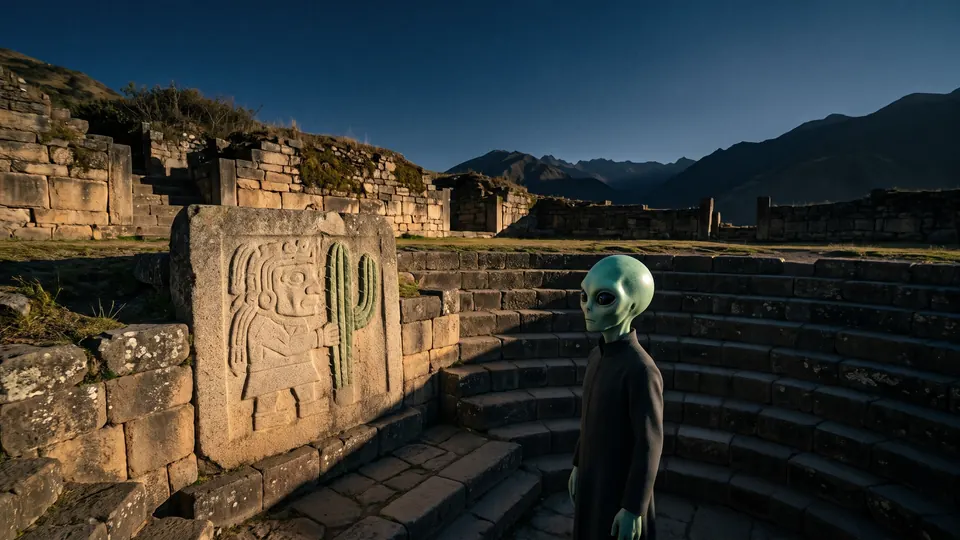
The same team then tested 23 artefacts, mostly bone tubes, from a sealed underground gallery. They found direct microbotanical and chemical evidence of vilca (Anadenanthera colubrina, a DMT-family snuff plant) and wild tobacco, not of San Pedro (Rick et al., 2025). The authors list San Pedro and ayahuasca among plants that have been suggested for Chavín ritual, but the physical residue they recovered points to snuff. Our article on ancient DMT snuffs covers vilca. Evidence: established for the residues; how San Pedro was used at Chavín is unresolved.
A continuing healing tradition in northern Peru
An ethnobotanical study of the plant markets of Trujillo and Chiclayo notes that traditional medicinal plant use in northern Peru dates back to the first millennium BC or at least to the Moche period (AD 100 to 800), and that the first detailed study of a hallucinogen in Peru focused on San Pedro, with cimora studied from the 1940s (Bussmann et al., 2007). A survey paper adds that Peru has passed legislation protecting traditional use of Indigenous plant medicines such as San Pedro (Uthaug et al., 2022). For ayahuasca’s own history, which historians still debate, see what is ayahuasca. Evidence: established for the studies; the exact age of each tradition is unresolved.
Is San Pedro endangered, like peyote?
No. Kew’s record shows Echinopsis pachanoi assessed as Least Concern on the IUCN Red List (Kew WCVP via ColPlantA). Peyote is a different case: it has been ranked Vulnerable on the IUCN Red List, and cactus ecologists studying wild Texas populations describe it as threatened by habitat loss and over-harvesting (Ermakova et al., 2020). One survey paper argues that decriminalisation measures that include peyote may add to pressure on wild plants (Uthaug et al., 2022). That is a reason the two mescaline cacti should not be treated as interchangeable in discussions of demand. Evidence: established for the listings; the size of any trade effect is unresolved.
What does research say about risks and interactions?
For ayahuasca, the largest dataset is the Global Ayahuasca Survey of 10,836 self-selected people. Acute physical effects, mainly vomiting, were reported by 69.9%, and 2.3% reported needing medical attention afterwards; 55.9% reported adverse mental health effects in the following weeks or months, and around 12% sought professional support (Bouso et al., 2022). Evidence: preliminary, from a self-selected survey.
Ayahuasca’s MAO inhibition is the main interaction concern. A 2026 case report describes a man who needed intubation and intensive care for severe serotonin syndrome after ayahuasca followed by an over-the-counter cough medicine containing dextromethorphan; the authors stress that the brew’s MAO inhibitors predispose users to serotonin toxicity with other serotonergic drugs (Pack et al., 2026). Our ayahuasca vs DMT guide covers this in more detail. Evidence: established mechanism; individual cases are case reports.
Mescaline’s profile in a review of reports is mostly of mild intoxications with sympathomimetic signs, and the authors note that most reports lacked any lab confirmation of what was taken (Dinis-Oliveira et al., 2019). A 2026 systematic review found raised blood pressure, headache, nausea and vomiting frequently reported, but only 10 of 66 eligible studies were suitable for analysis (Shaw et al., 2026). In the healthy-volunteer trial, mescaline caused slightly more adverse effects 12 to 24 hours later than LSD or psilocybin (Ley et al., 2023). Evidence: preliminary.
Interaction research for both is thin. A 2024 systematic review of drug interactions with classic psychedelics found 52 human studies, of which 4 involved mescaline, 3 DMT and only 1 ayahuasca (Halman et al., 2024). Evidence: established that the evidence base is small.
If someone is in danger
Call 911 for immediate danger or urgent medical help, including if someone is unconscious, not breathing or having a seizure. In Ontario, the Ontario Poison Centre is at 1-800-268-9017; every province has a poison centre, listed by SickKids (AboutKidsHealth). If you or someone you know is thinking about suicide, call or text 9-8-8, 24 hours a day (Government of Canada). See also our safety page and how to help someone having a bad trip.
Are San Pedro and ayahuasca legal in Canada?
Schedule III of the Controlled Drugs and Substances Act lists DMT as item 7, harmaline as item 9 and harmalol as item 10, each with any salt; harmine is not named (Justice Laws, CDSA). Because DMT is scheduled, ayahuasca falls under the Act; our DMT and Canadian law guide covers the religious exemptions some churches have sought. Evidence: established.
Mescaline is Schedule III item 17, worded “Mescaline (3,4,5–trimethoxybenzeneethanamine) and any salt thereof, but not peyote (lophophora)”. The exclusion names peyote only; neither San Pedro nor any of its botanical names appears anywhere in the Act we read, which was current to 30 September 2026 (Justice Laws, CDSA). How the mescaline entry applies to a cactus that contains mescaline but is not peyote is a legal question this article does not answer. This is general information, not legal advice. Evidence: established for the wording.
What we still don’t know
- How San Pedro itself, rather than pure mescaline, behaves in controlled studies; none were found.
- How San Pedro was prepared or used at Chavín; the carved image is clear, the residue evidence is not.
- Which botanical name will settle; major checklists still disagree.
- Whether mescaline’s reported mental-health findings hold up in patients rather than survey respondents.
- How common serious interactions with ayahuasca are; the published record is mostly case reports.
For DMT’s chemistry and history, start with the pillar guide, what is DMT.
Common questions
What is the difference between San Pedro and ayahuasca?
San Pedro, or wachuma, is an Andean cactus whose main psychoactive alkaloid is mescaline, a phenethylamine. Ayahuasca is an Amazonian brew based on the Banisteriopsis caapi vine, usually with DMT-containing leaves; its DMT, a tryptamine, is active by mouth only because the vine’s β-carbolines inhibit MAO-A. Both act mainly at serotonin 2A receptors.
Is mescaline the same as DMT?
No. Mescaline is a phenethylamine and DMT is a tryptamine. Both act at the 5-HT2A receptor, but they differ in chemistry and timing: in a controlled trial pure mescaline lasted a mean of 11.1 hours, while ayahuasca’s effects peaked at 1.5 to 2 hours in another trial.
What is the scientific name of San Pedro?
Kew’s World Checklist of Vascular Plants, which Plants of the World Online uses, accepts Echinopsis pachanoi. The WFO Plant List accepts Trichocereus macrogonus var. pachanoi instead. Both refer to the same Andean cactus, often called wachuma or huachuma.
Was San Pedro used at Chavín de Huántar?
San Pedro is carved on a granite plaque in Chavín’s Circular Plaza, the only psychoactive plant unequivocally shown in its art, according to a 2025 study. The same study found chemical traces of vilca and tobacco in bone tubes, not of San Pedro, so how the cactus was used there remains open.
Is San Pedro endangered?
Kew’s record shows Echinopsis pachanoi as Least Concern on the IUCN Red List. Peyote, the other well-known mescaline cactus, has been ranked Vulnerable and is threatened by habitat loss and over-harvesting.
Is mescaline legal in Canada?
Mescaline and its salts are item 17 of Schedule III of the Controlled Drugs and Substances Act; the entry excludes “peyote (lophophora)” and does not mention San Pedro. DMT and harmaline, found in ayahuasca, are items 7 and 9. This is general information, not legal advice.
Shroomverse sells mushroom products. This article is general information about San Pedro and ayahuasca. It is not medical, legal or purchasing advice, and it does not recommend any product, ceremony or retreat.
SOURCES
- Controlled Drugs and Substances Act (S.C. 1996, c. 19), full text, Schedule III, Government of Canada, Justice Laws Website. Accessed . Full text read. Schedule III item 7 DMT, item 9 harmaline, item 10 harmalol, item 17 “Mescaline (3,4,5–trimethoxybenzeneethanamine) and any salt thereof, but not peyote (lophophora)”; San Pedro, Echinopsis, Trichocereus and harmine not named. Consolidation current to 2026-09-30, last amended 2026-07-18.
- Echinopsis pachanoi (Britton & Rose) H.Friedrich & G.D.Rowley, Royal Botanic Gardens, Kew: ColPlantA, using the World Checklist of Vascular Plants backbone. Accessed . Record read: “This species is accepted”; native range S. Ecuador to Peru; naturalised in Colombia per the Catálogo de Plantas y Líquenes de Colombia; IUCN category LC (least concern). Read here because powo.science.kew.org returned a bot check on 2026-10-24.
- Trichocereus macrogonus var. pachanoi (Britton & Rose) Albesiano & R.Kiesling, World Flora Online Plant List (classification 2026-06). Accessed . Record read: accepted by WFO, first published in Haseltonia 17 (2012); synonyms include Echinopsis pachanoi and Trichocereus pachanoi. Catalogue of Life (2026-10-14) gave the same accepted name on the same date.
- Pre-Hispanic ritual use of psychoactive plants at Chavín de Huántar, Peru (Rick JW, et al., PNAS 122:e2425125122, 2025), National Academy of Sciences (peer-reviewed); PMC12088378. Accessed . Abstract and full text read via Europe PMC. Middle-Late Formative Period ca. 1200–400 BCE; San Pedro (wachuma) the only psychoactive plant unequivocally depicted, on a granite plaque in the Circular Plaza; 23 artefacts from Gallery 3; direct evidence of vilca and Nicotiana; San Pedro and ayahuasca listed among plants previously suggested.
- Health for sale: the medicinal plant markets in Trujillo and Chiclayo, Northern Peru (Bussmann RW, et al., Journal of Ethnobiology and Ethnomedicine 3:37, 2007), BioMed Central (peer-reviewed, open access); PMC2245918. Accessed . Full text read. Medicinal plant use in northern Peru dating to the first millennium BC or the Moche period (AD 100–800); cimora as another vernacular name for San Pedro, first studied in the 1940s; first detailed study of a hallucinogen in Peru focused on San Pedro.
- The epidemiology of mescaline use: pattern of use, motivations for consumption, and perceived consequences, benefits, and acute and enduring subjective effects (Uthaug MV, et al., Journal of Psychopharmacology 36:309–320, 2022), SAGE (peer-reviewed); PMC8902264. Accessed . Abstract and full text read via Europe PMC. Web survey, 452 respondents; peyote and San Pedro most named; intensity did not differ between mescaline types; mystical-type effects rated moderate, challenging effects very slight. Introduction: San Pedro also known as huachuma; mescaline isolated by Arthur Heffter in 1896; Peruvian legislation protecting traditional use; decriminalisation and peyote extinction concern.
- Pharmacokinetic and pharmacodynamic aspects of peyote and mescaline: clinical and forensic repercussions (Dinis-Oliveira RJ, Pereira CL, da Silva DD, Current Molecular Pharmacology 12(3):184–194, 2019), Bentham Science (peer-reviewed); PMC6864602. Accessed . Abstract read via Europe PMC. Mescaline is 3,4,5-trimethoxyphenethylamine; effects mainly via 5-HT2A–C; sympathomimetic signs; most intoxications mild; reports mostly lack exposure confirmation.
- Neurobiological research on N,N-dimethyltryptamine (DMT) and its potentiation by monoamine oxidase (MAO) inhibition: from ayahuasca to synthetic combinations of DMT and MAO inhibitors (Egger K, et al., Cellular and Molecular Life Sciences 81:395, 2024), Springer Nature (peer-reviewed, open access); PMC11387584. Accessed . Abstract and full text read via Europe PMC. DMT agonism at 5-HT1A/2A/2C; sigma-1 affinities may not suffice; nearly inactive orally; β-carboline MAO-A inhibitors; B. caapi holds little or no DMT; DMT usually from other leaves; some groups use B. caapi alone.
- Human pharmacology of ayahuasca: subjective and cardiovascular effects, monoamine metabolite excretion, and pharmacokinetics (Riba J, et al., J Pharmacol Exp Ther 306(1):73–83, 2003), American Society for Pharmacology and Experimental Therapeutics (peer-reviewed). Accessed . Abstract read via Europe PMC. Double-blind, placebo-controlled, 18 experienced volunteers; brew commonly obtained from B. caapi and P. viridis; effects peaking at 1.5–2 h; diastolic blood pressure rise at the high dose. Doses not reproduced.
- Comparative acute effects of mescaline, lysergic acid diethylamide, and psilocybin in a randomized, double-blind, placebo-controlled cross-over study in healthy participants (Ley L, et al., Neuropsychopharmacology 48(11):1659–1667, 2023), Springer Nature (peer-reviewed); PMC10517157. Accessed . Abstract read via Europe PMC. 32 healthy participants; mean effect duration mescaline 11.1 h, LSD 8.2 h, psilocybin 4.9 h; longer time to peak; slightly more subacute adverse effects (12–24 h) with mescaline; no qualitative differences. Doses not reproduced.
- Drug-drug interactions involving classic psychedelics: a systematic review (Halman A, et al., Journal of Psychopharmacology 38(1):3–18, 2024), SAGE (peer-reviewed, open access); PMC10851641. Accessed . Abstract and full text read via Europe PMC. 52 studies: 32 LSD, 10 psilocybin, 4 mescaline, 3 DMT, 2 5-MeO-DMT, 1 ayahuasca; DMT alone has a half-life of 9–12 min.
- The ethnopharmacological use of mescaline for psychiatric disorders: a systematic review (Shaw J, et al., International Journal of Molecular Sciences 27(7):3081, 2026), MDPI (peer-reviewed, open access); PMC13072975. Accessed . Abstract read via Europe PMC. Mescaline the primary alkaloid of peyote and San Pedro; 66 studies met inclusion, 10 suitable for analysis; hypertension, headache, nausea and vomiting frequently reported; literature limited and of highly variable quality.
- Adverse effects of ayahuasca: results from the Global Ayahuasca Survey (Bouso JC, et al., PLOS Global Public Health 2(11):e0000438, 2022), PLOS (peer-reviewed, open access); PMC10021266. Accessed . Abstract read via Europe PMC. n=10,836; acute physical adverse effects 69.9% (mainly vomiting), 2.3% needed medical attention; adverse mental health effects 55.9%, around 12% sought professional support.
- Severe serotonin syndrome with acute respiratory failure following ayahuasca and dextromethorphan use: a case report (Pack S, et al., Cureus 18, 2026), Cureus (peer-reviewed); PMC13552625. Accessed . Abstract read via Europe PMC. One patient; intubation and ICU admission; authors state the brew’s MAOI content predisposes to serotonergic toxicity with other serotonergic agents.
- Densities, plant sizes, and spatial distributions of six wild populations of Lophophora williamsii (Cactaceae) in Texas, U.S.A. (Ermakova AO, et al., bioRxiv, 2020), bioRxiv (preprint); later published in the Journal of the Botanical Research Institute of Texas. Accessed . bioRxiv record and full text read. Threatened by habitat loss and overharvesting; ranked Vulnerable on the IUCN Red List (Terry 2017 assessment). bioRxiv lists the published version as 10.17348/jbrit.v15.i1.1057, which we did not read.
- Mental health support: get help, Government of Canada, Public Health Agency of Canada. Accessed . Source for calling 9-1-1 in immediate danger or for urgent medical support, and the 9-8-8 Suicide Crisis Helpline (call or text, 24/7).
- Poison information centres in Canada, AboutKidsHealth, The Hospital for Sick Children (SickKids). Accessed . Source for the provincial poison centre list, including Ontario toll-free 1-800-268-9017, and for calling 911 if someone is unconscious, not breathing or having a seizure.
CHANGES
- : Published. Sources opened and checked on this date, including Schedule III of the Controlled Drugs and Substances Act consolidation current to 30 September 2026, Kew’s and WFO’s plant-name records, and the 2025 Chavín de Huántar study.



