shroomverse

THE JOURNAL · SPECIES

Magic mushroom species: an atlas of names.

Every scientific name rests on a publication and, usually, one specimen collected on a known day in a known place. Here are nine of the best-known names in depth, then every species with a published psilocybin report, each with its own page and chemistry record.

This is a history of names, not an identification guide. A name, a picture or a description can’t show that a wild mushroom is safe, and poisonous mushrooms are mistaken for magic mushrooms. If someone may have eaten a wild mushroom, call a poison centre without waiting for symptoms: 1-844-POISON-X in most of Canada, 1-800-463-5060 in Quebec. Call 911 if they’re unconscious, not breathing or having a seizure. What to do after a misidentification.

Where the names were collected.

Pins mark where the specimen behind each name was collected, sometimes more than a century ago, at the level of detail the records give. They aren’t places to look for mushrooms. Land outlines: Natural Earth.

When the names were published.

Two of the nine names date from the 1800s, one from 1906, and the other six from 1946 onwards.

Nine species.

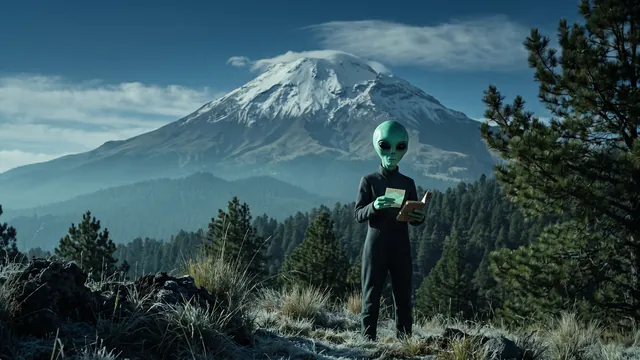
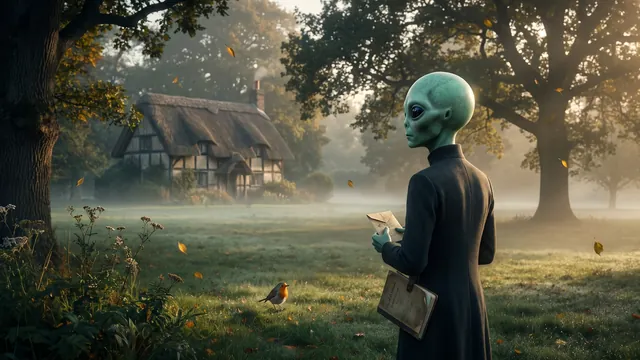
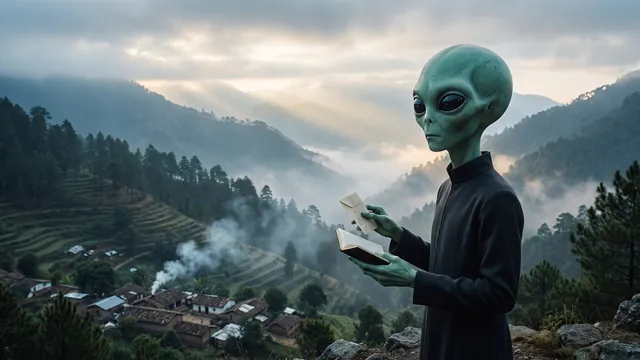
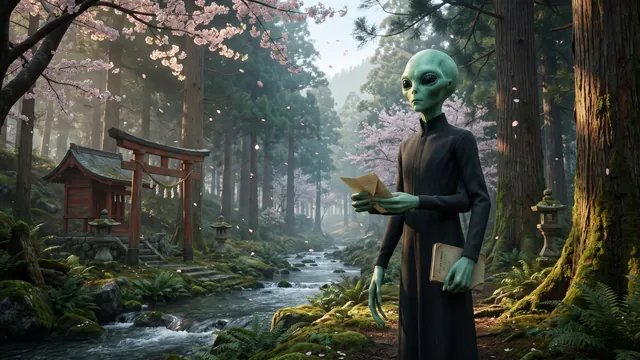
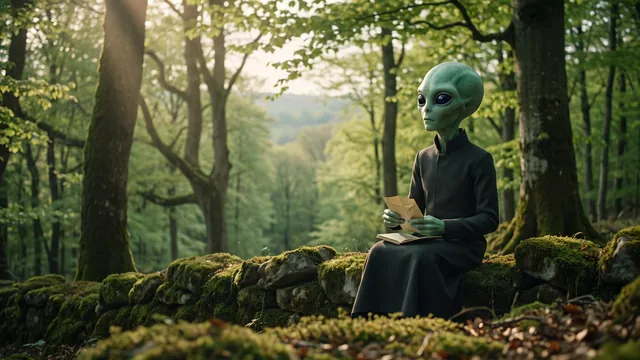
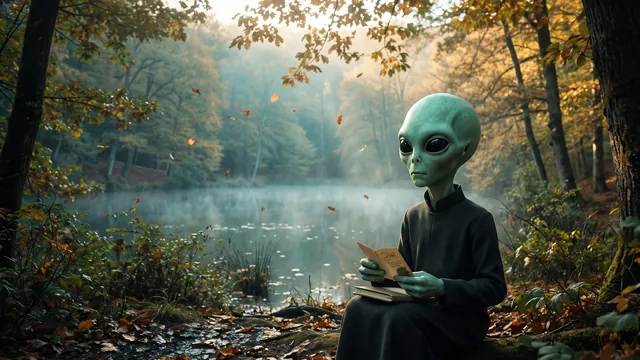
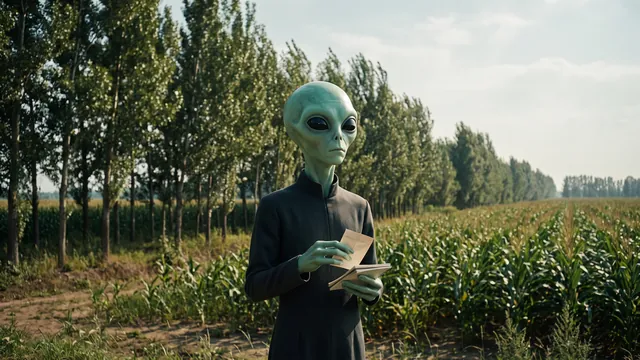
The Shroomverse alien in a misty upland meadow at dawn with a hand lens, looking at a small red felt Phrygian cap on an old fence post.

Psilocybe semilanceata

Common name: Liberty cap (NCBI Taxonomy)

Named
Elias Fries, 1818; moved to Psilocybe by Paul Kummer, 1871
Kind of name
Species name; basionym Agaricus semilanceatus
Type collected
Not given in the record we cite

The Swedish mycologist Elias Fries published the name Agaricus semilanceatus in 1818, in his Observationes mycologicae. The German mycologist Paul Kummer moved it to Psilocybe in 1871. The common name borrows the cap of liberty, an old symbol of freedom, and reached mycology books in the 1800s.

What the record doesn’t show: “Liberty cap” is a common name, not a strain or a brand, and NCBI says it is not an authority on names.

Records: Species Fungorum name record; NCBI Taxonomy

Name and chemistry record: Psilocybe semilanceata Read the full article: Liberty cap mushroom: the name, history and research of Psilocybe semilanceata

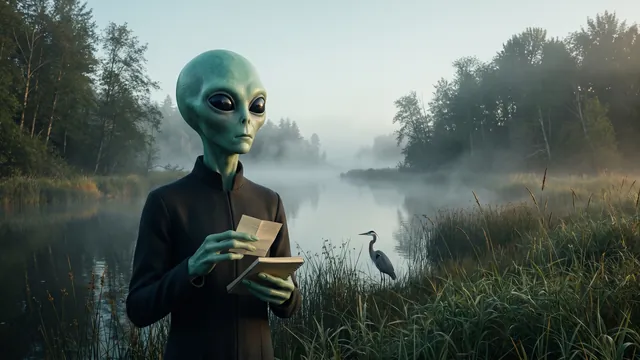
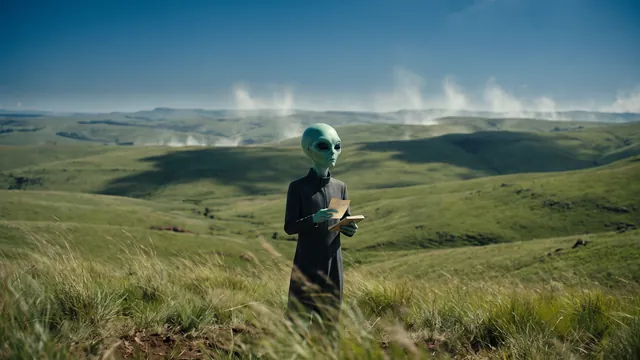
The Shroomverse alien kneeling in a misty tropical pasture at dawn, studying a few slender grey-capped mushrooms in the grass through a hand lens.

Panaeolus cyanescens

Common name: Blue Meanies (iNaturalist)

Named
Berkeley & Broome, 1871, as Agaricus cyanescens; Saccardo, 1887
Kind of name
Species name; replaced synonym Agaricus cyanescens; synonym Copelandia cyanescens
Type collected
Not given in the record we cite

Berkeley and Broome published Agaricus cyanescens in 1871. Saccardo replaced it with Panaeolus cyanescens in 1887, the current name in Species Fungorum. Singer’s combination Copelandia cyanescens is listed as a synonym, and New Zealand’s name register notes that DNA sequences place the species in Panaeolus.

What the record doesn’t show: It is a different genus from Psilocybe cyanescens. “Blue Meanies” is also used as a strain label for a Psilocybe cubensis sample, so the phrase identifies nothing.

Records: Species Fungorum name record; NZOR name record; GBIF (Species Fungorum Plus)

Name and chemistry record: Panaeolus cyanescens Read the full article: Panaeolus cyanescens: the Copelandia name and what “Blue Meanies” does not settle
The Shroomverse alien pointing at a huge hand-painted family-tree diagram on a wall, its branches ending in small painted mushrooms.

Type specimen: Santiago de las Vegas, Cuba, 19 June 1904. One collection, not a range or a place to look.

Psilocybe cubensis

Named
Franklin Earle, 1906, as Stropharia cubensis; moved to Psilocybe by Rolf Singer, 1948
Kind of name
Species name; basionym Stropharia cubensis
Type collected
Santiago de las Vegas, Cuba, 19 June 1904

Franklin Earle collected the type specimen at Santiago de las Vegas, Cuba, on 19 June 1904, and published the name Stropharia cubensis in 1906. Rolf Singer moved it to Psilocybe in 1948. The specimen is held at the New York Botanical Garden.

What the record doesn’t show: Its origin is still debated, and strain names such as Golden Teacher are labels, not taxonomic names.

Records: Species Fungorum name record; GBIF type specimen record

Name and chemistry record: Psilocybe cubensis Read the full article: Psilocybe cubensis: the species name, its history and what research covers
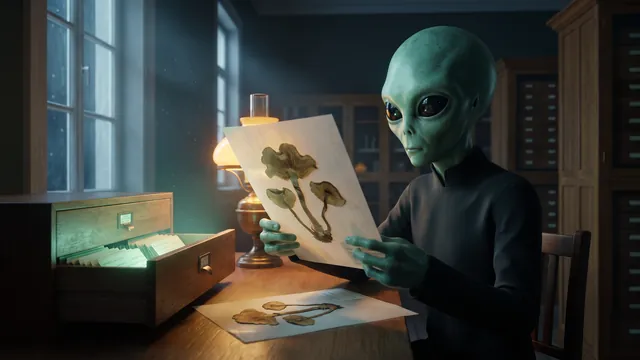
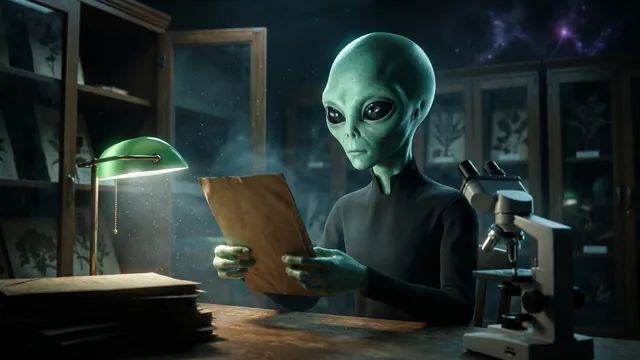
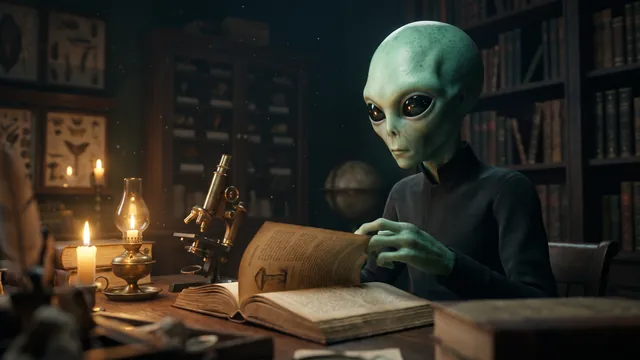
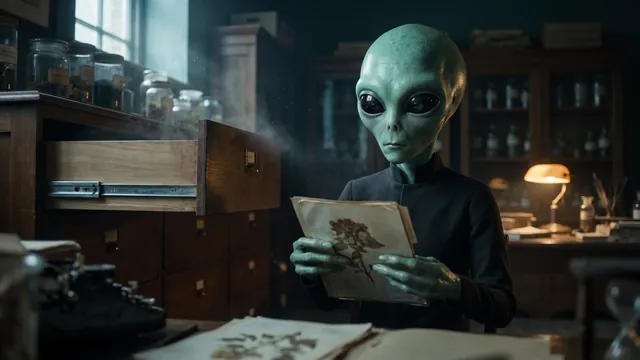
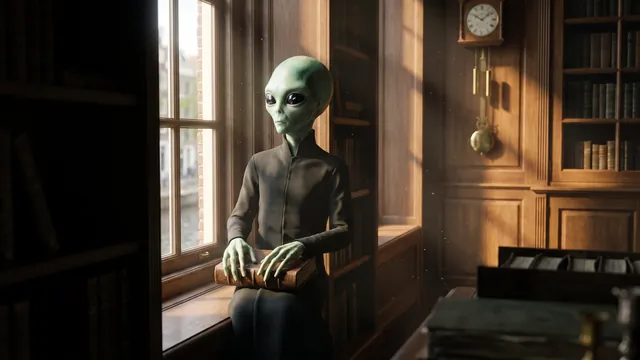
The Shroomverse alien comparing two pressed herbarium sheets of near-identical wavy-capped mushrooms, one held up to the lamp.

Type specimen: Kew, England, 25 October 1911. One collection, not a range or a place to look.

Psilocybe cyanescens

Named
E. M. Wakefield, 1946
Kind of name
Species name
Type collected
Kew, England, 25 October 1911

E. M. Wakefield collected the holotype in the Queen’s Cottage grounds at the Royal Botanic Gardens, Kew, on 25 October 1911, and published the name in 1946. A 2012 paper added an epitype, a reference specimen collected in Hamburg in 2003.

What the record doesn’t show: It shares only its second word with Panaeolus cyanescens. They are different species in different genera.

Records: Species Fungorum name record; Czech Mycology, 2012

Name and chemistry record: Psilocybe cyanescens Read the full article: Psilocybe cyanescens: taxonomy, reference specimens and the naming confusion
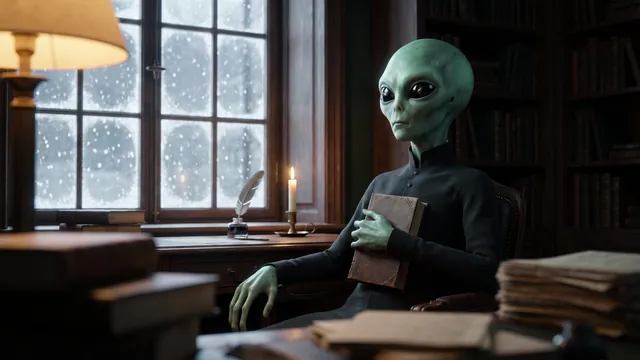
The Shroomverse alien in a 1950s laboratory beside a stack of bound journals and a glass flask, misty terraced mountains outside the window at dawn.

Type specimen: Oaxaca, Mexico, date not given in the record we cite. One collection, not a range or a place to look.

Psilocybe mexicana

Named
Roger Heim, 1957
Kind of name
Species name
Type collected
Oaxaca, Mexico, date not given in the record we cite

The French mycologist Roger Heim published the name in 1957, with a holotype from mountain pastures in Oaxaca. The 1958 and 1959 papers by Albert Hofmann, Heim and colleagues name this species as the source of the psilocybin they reported. Those are dated scientific records, not the first human knowledge of the mushroom.

What the record doesn’t show: A strain labelled “Mexicana” in a 2025 study was classified by DNA as Psilocybe tampanensis.

Records: Species Fungorum name record

Name and chemistry record: Psilocybe mexicana Read the full article: Psilocybe mexicana: the name, its type record and the 1958 psilocybin papers
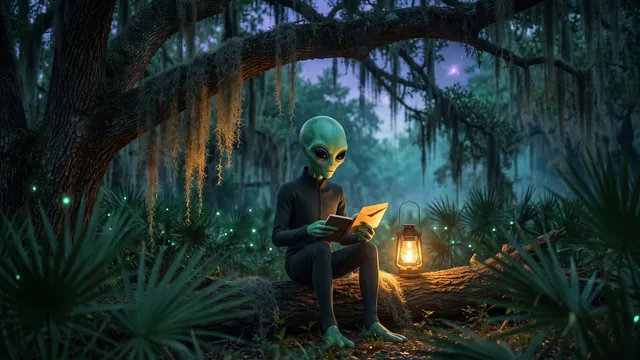
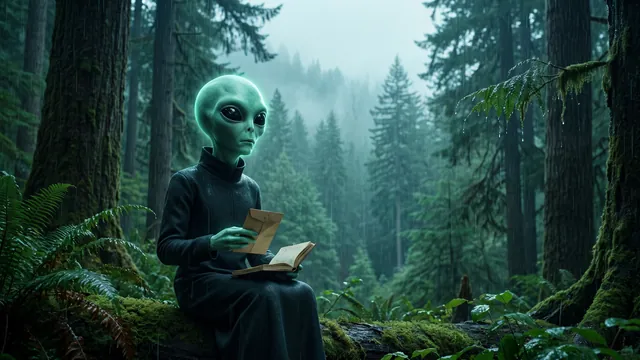
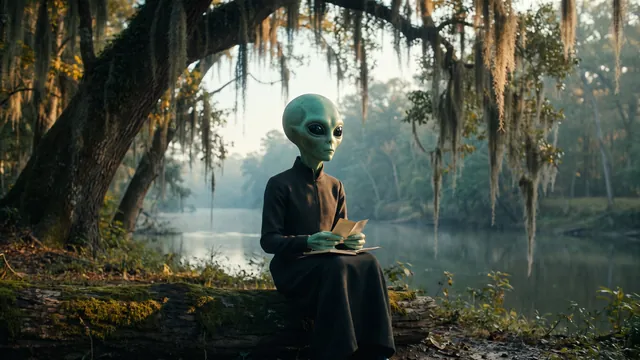
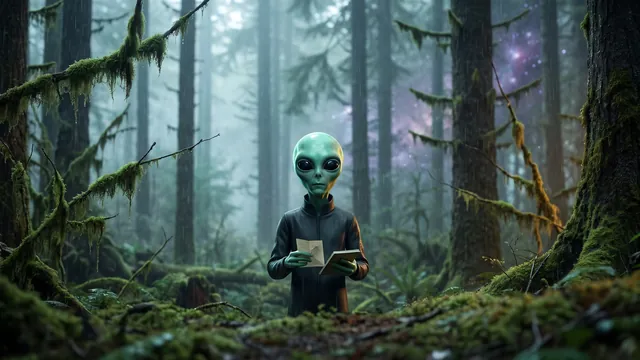
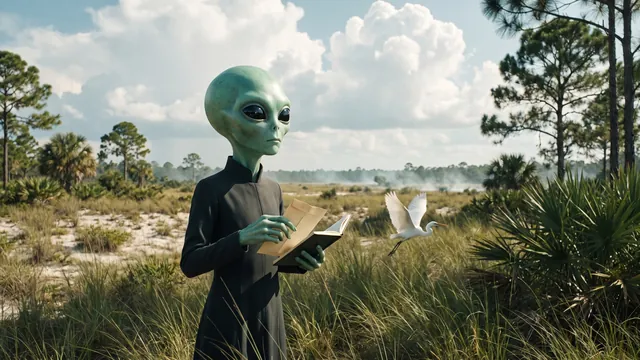
The Shroomverse alien under a live oak hung with Spanish moss at dusk, holding a notebook and a paper specimen envelope beside a lantern.

Type specimen: Near Tampa, Florida, 3 September 1977. One collection, not a range or a place to look.

Psilocybe tampanensis

Named
Gastón Guzmán & Steven Pollock, 1978
Kind of name
Species name
Type collected
Near Tampa, Florida, 3 September 1977

Steven Pollock collected the type specimen south-east of Brandon, near Tampa, Florida, on 3 September 1977, during a mycological congress. Guzmán and Pollock published the name in Mycotaxon in 1978. At the time, the species was known only from that place.

What the record doesn’t show: The record ties one name to one dated collection. It doesn’t show that material shared under the name descends from it.

Records: Species Fungorum name record; Guzmán & Pollock, 1978

Name and chemistry record: Psilocybe tampanensis Read the full article: Psilocybe tampanensis: the 1978 original record, what sclerotia are and why the name confuses
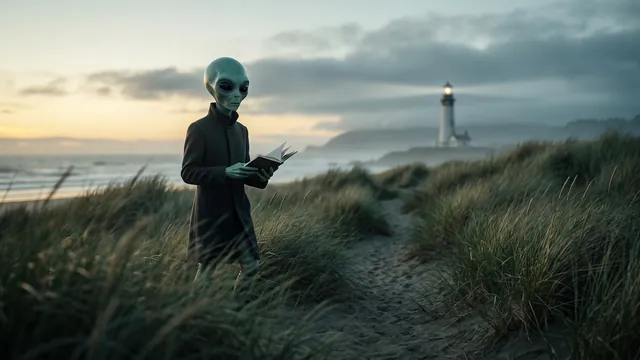
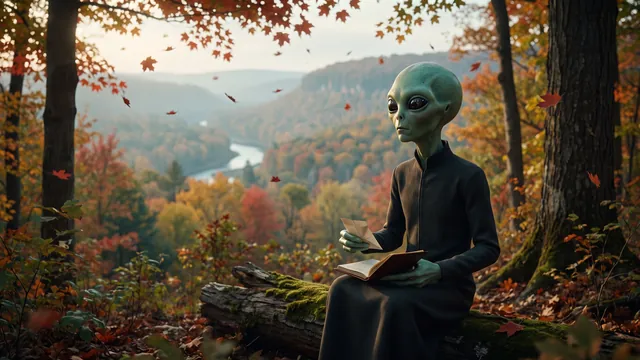
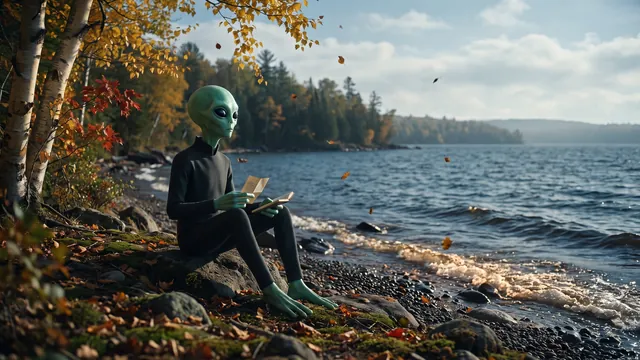
The Shroomverse alien walking a windswept coastal dune path at dusk with a notebook, a lighthouse in the distance.

Type specimen: Oregon, United States, 21 November 1993. One collection, not a range or a place to look.

Psilocybe azurescens

Named
Paul Stamets & Jochen Gartz, 1995
Kind of name
Species name
Type collected
Oregon, United States, 21 November 1993

Paul Stamets collected the holotype in Oregon on 21 November 1993. Stamets and Gartz published the name in the journal Integration in 1995. The specimen is held at the herbarium WTU.

What the record doesn’t show: A 2025 genome paper reports DNA assemblies, not strength, effects or safety.

Records: Species Fungorum name record; NCBI Taxonomy

Name and chemistry record: Psilocybe azurescens Read the full article: Psilocybe azurescens: the 1995 species record and the limits of the research
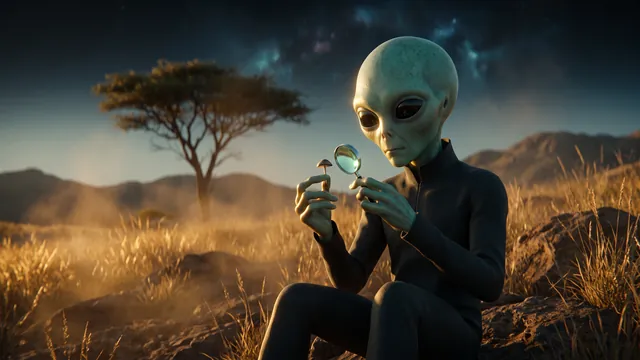
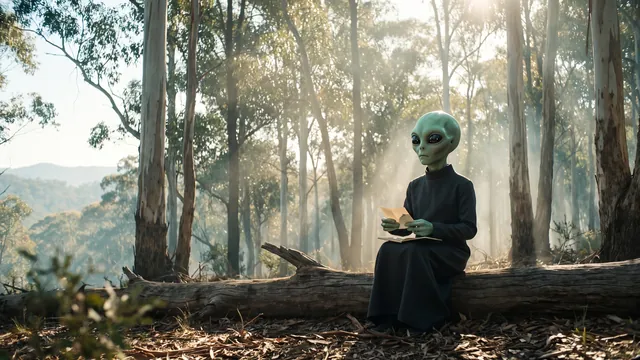
The Shroomverse alien on a rocky grassland hillside at golden dusk, studying a tiny mushroom through a hand lens beside a lone acacia tree.

Type specimen: KwaZulu-Natal, South Africa, 22 January 1994. One collection, not a range or a place to look.

Psilocybe natalensis

Named
Gartz, Reid, Smith & Eicker, 1995
Kind of name
Species name
Type collected
KwaZulu-Natal, South Africa, 22 January 1994

Gartz and Smith collected the holotype in fertilised pasture soil in KwaZulu-Natal, South Africa, on 22 January 1994. The name was published in 1995, and Index Fungorum still lists it as current. In 2026, Bradshaw and colleagues sequenced the holotype: it matched no public sequence.

What the record doesn’t show: In that study, one commercial “Natal Super Strength” sequence did not match the natalensis type. That doesn’t show that everything called natalensis was renamed.

Records: Index Fungorum name record

Name and chemistry record: Psilocybe natalensis Read the full article: Psilocybe natalensis and P. ochraceocentrata: what the names and the evidence show
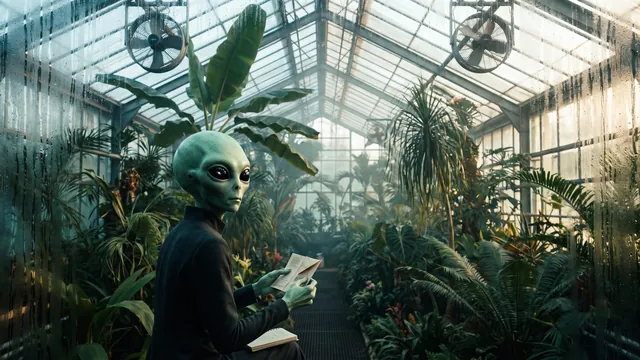
The alien pinning red threads on a cork board that link a small paper tag to notes, a printed page, a microscope slide and DNA bands.

Type specimen: Zimbabwe. One collection, not a range or a place to look.

Psilocybe ochraceocentrata

Named
Bradshaw and colleagues, 2026
Kind of name
Recently described species
Type collected
Zimbabwe

Formally described in March 2026 in Proceedings of the Royal Society B, from Zimbabwe, after a December 2024 preprint used a provisional version of the name. The paper calls it a cryptic species and the closest wild relative of Psilocybe cubensis: African specimens first identified as P. cubensis turned out to be this species.

What the record doesn’t show: Nothing in the paper’s abstract maps it to any strain or product name.

Records: Index Fungorum name record; Bradshaw et al., 2026

Read the full article: Psilocybe natalensis and P. ochraceocentrata: what the names and the evidence show

Every species in the atlas.

58 species whose chemistry has been studied for psilocybin, each with its own page: who named it, the specimen behind the name, and every analysis we could verify. “Confirmed” means modern analyses found it; “reported” means one or older analyses; “disputed” means studies disagree; “not detected” means it was looked for and not found.

Names people mix up.

Keep reading.

Every fact on this page comes from the linked journal article, checked against the record it cites. Last checked .