PSYCHEDELIC TORONTO · PART 1
Yorkville in the 1960s: the Village.
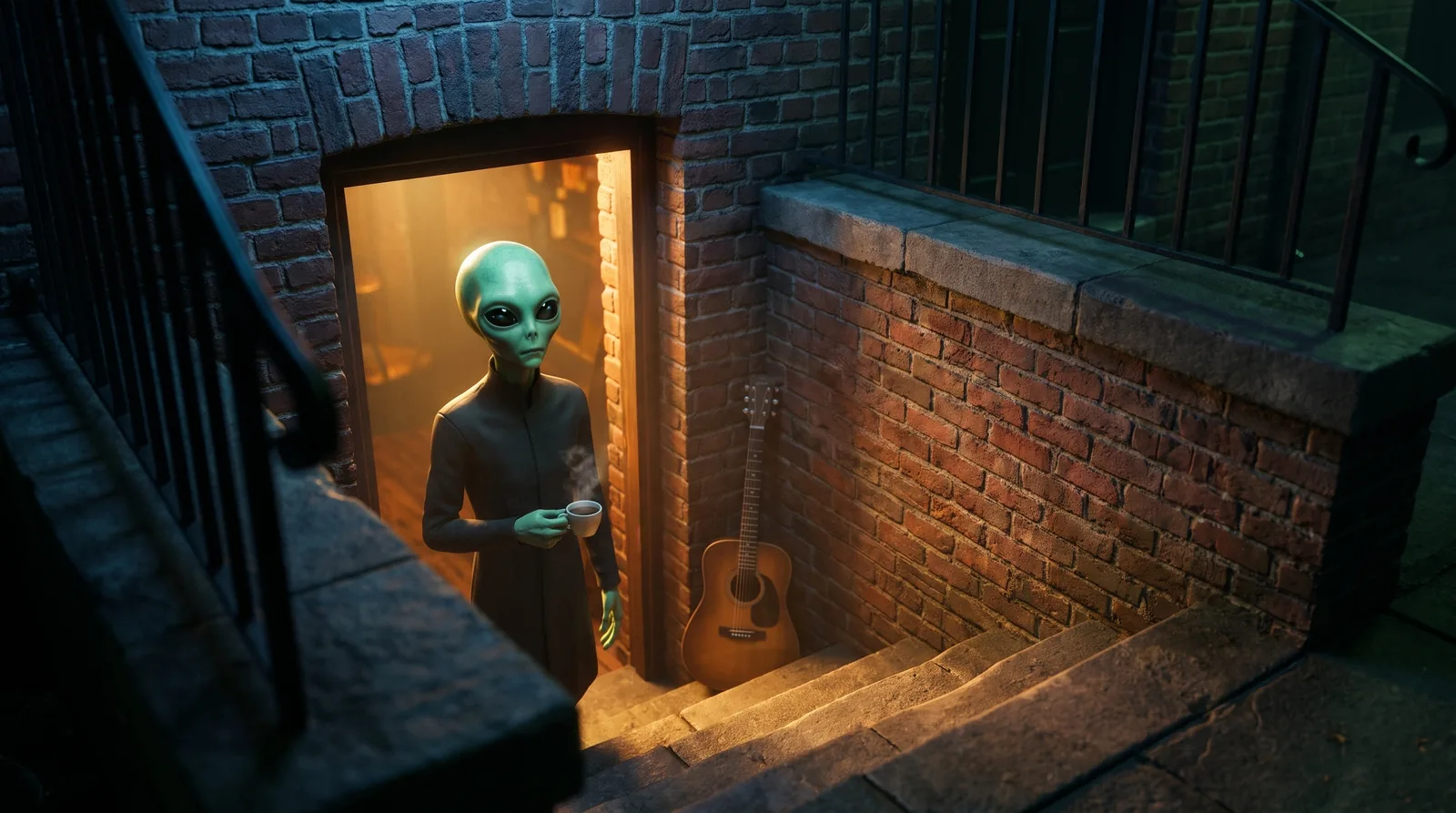
For roughly ten years, a few blocks north of Bloor Street were the crossroads of Toronto’s youth culture. Here’s what the record shows about Yorkville’s 1960s, from the first coffee houses to the summer the crowds stayed away.
From Gerrard Street to Yorkville
At the end of the 1950s, Toronto’s small bohemian community lost its old haunts around Gerrard Street to hospital redevelopment. It moved north, into the Victorian houses of Yorkville. European-style coffee houses became the heart of the scene. Historian Stuart Henderson calls Yorkville the crossroads of Toronto’s youth culture “for a period of roughly 10 years”.
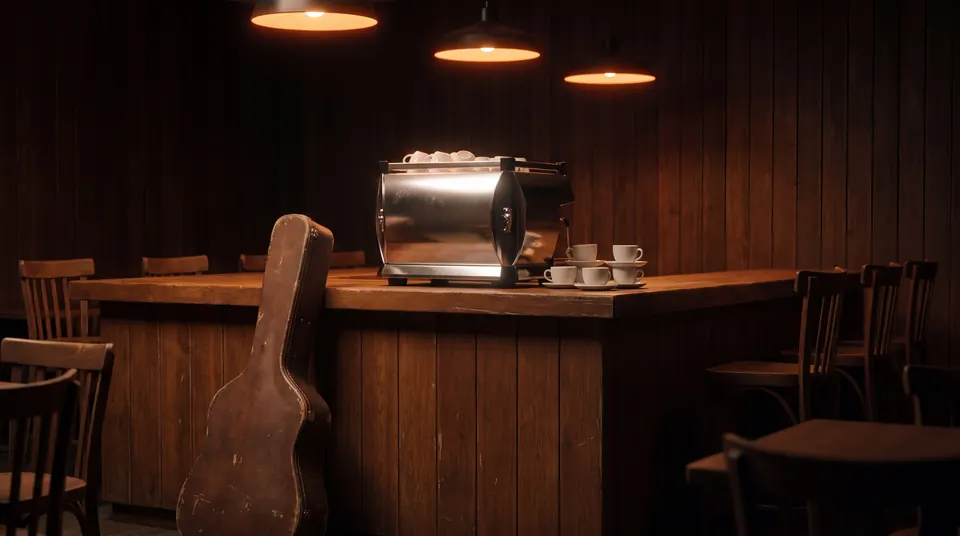
The coffee houses
- The Penny Farthing opened in the spring of 1963, run by John and Marilyn McHugh. In early 1965 it became the first coffee house to feature Joni Mitchell’s own songs.
- The Riverboat opened in October 1964 in a basement at 134 Yorkville Avenue, run by Bernie Fiedler. Neil Young, Joni Mitchell, Gordon Lightfoot, Bruce Cockburn and Murray McLauchlan all played there. It ran as the Riverboat until June 1978.
City Hall pushes back
In the spring of 1965, City Council imposed a moratorium on coffee-house licences, and undercover and beat police were sent onto the streets. In 1967, Syl Apps called Yorkville “a festering sore in the middle of the city”. Apps was a member of the provincial legislature, chaired its Select Committee on Youth, and was a former Maple Leafs captain.
The summer of 1967
The Summer of Love brought record numbers of young people. A love-in at Queen’s Park supported closing Yorkville Avenue to cars, and a sit-in on the avenue followed. About 50 people were arrested. Henderson calls that August’s “Siege of Yorkville” the high point of the scene.
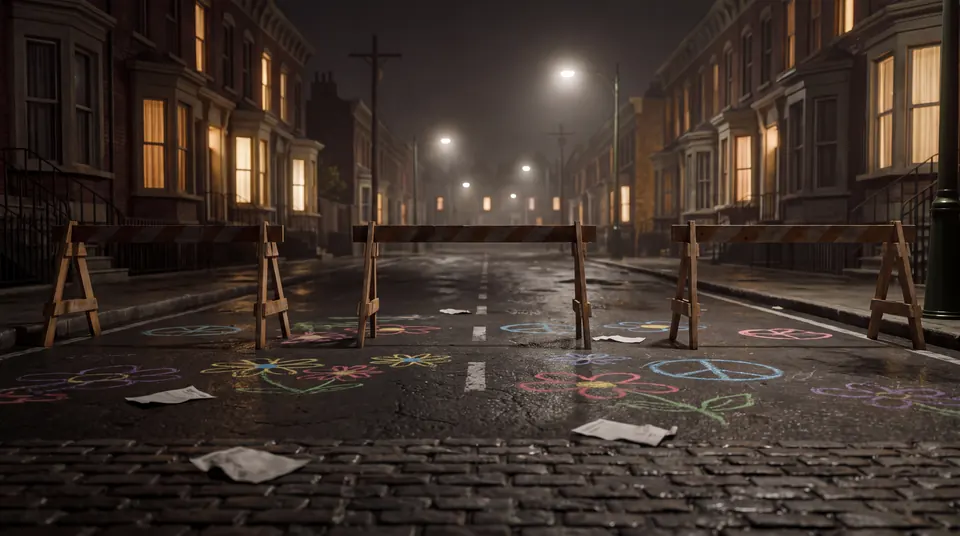
Henderson describes the Villagers of 1968 as still getting high on LSD, marijuana and the psychedelic music scene. A small minority injected amphetamines.
Looking after their own
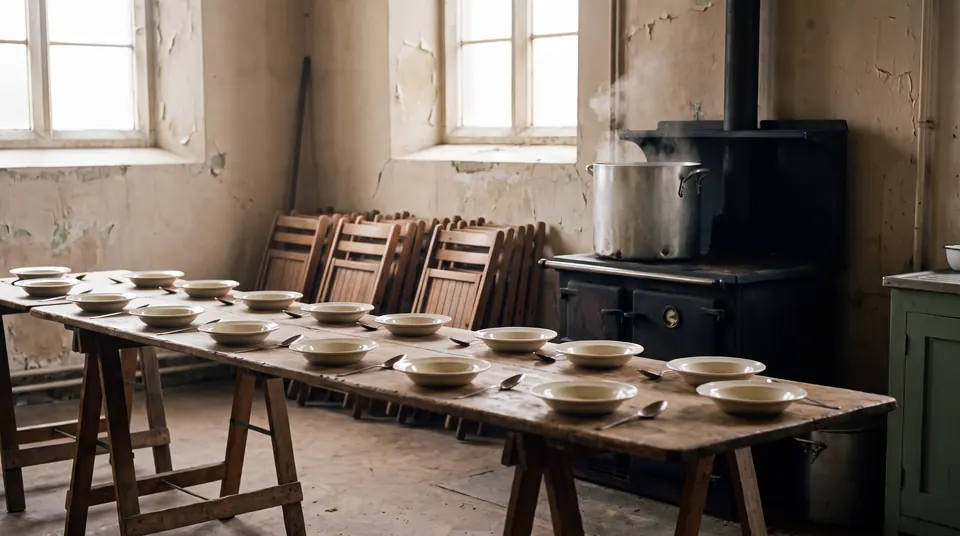
The Toronto Diggers fed and sheltered the Village’s young people. They ran a soup kitchen at St. Paul’s Avenue Road United Church, and later opened the Digger House shelter on Spadina Avenue. Journalist June Callwood was its “landlady” in 1968.
August 1968: the epidemic that wasn’t
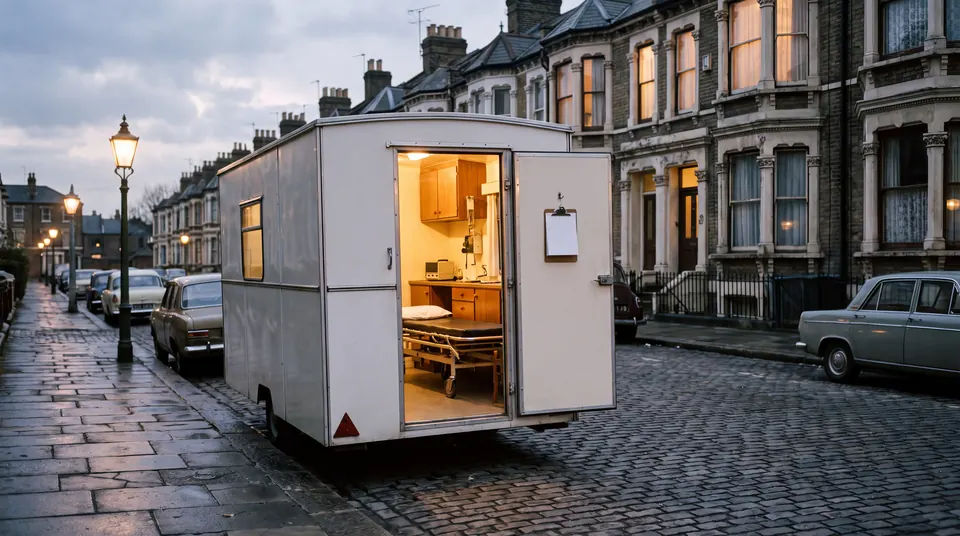
- July: the Trailer, a street clinic run by Women’s College Hospital, saw an unusual number of hepatitis patients.
- 3 August: Toronto’s newspapers broke the story.
- 5 August: a “Danger! Hepatitis” flier went up around Yorkville.
- 7 August: the Toronto Star told readers that anyone who had eaten in a café there might have been exposed.
The province asked the public to stay away, and crowds on Yorkville Avenue fell to about a tenth of normal.
A year later, the Ontario Department of Health’s report told a different story:
- 32 people had been hospitalised with probable hepatitis.
- 30 of them were serum-hepatitis cases (27 probable, 3 possible), and every one of those had used drugs intravenously. Only 2 were probable infectious hepatitis.
- At Women’s College Hospital, 24 of 25 hepatitis patients admitted that summer had injected amphetamines.
The cluster was among people injecting speed, not the acid-and-folk crowd that took the blame.
Watching the scene
Toronto’s Addiction Research Foundation studied the Village as it happened. Its 1969 report, The Yorkville Subculture: A Study of the Life Styles and Interactions of Hippies and Non-Hippies, was prepared from a researcher’s field notes.
The end of the Village
The hepatitis panic is generally treated as the beginning of the end. Rochdale College, a new free university at Bloor and Huron, took in Villagers from September 1968 (read about Rochdale). Between 1968 and 1970, developers tightened their hold, police drug arrests rose, and speed and biker violence grew. Through the 1970s, Yorkville became an upscale shopping district. A 2025 City of Toronto heritage study notes that developers used the counterculture “as a rationale for development”.
One more chapter: October 1969
On 17 October 1969, Canada’s federal drug inquiry held a public hearing at the Penny Farthing. Read about the Le Dain Commission in Toronto.
Read and watch further
- Stuart Henderson’s book Making the Scene (University of Toronto Press, 2011).
- Henderson cites two National Film Board films shot in Yorkville: Christopher’s Movie Matinee (Mort Ransen, 1968) and Flowers on a One-Way Street (Robin Spry, 1968).
SOURCES
- Stuart Henderson, “Toronto’s Hippie Disease: End Days in the Yorkville Scene, August 1968”, Journal of the Canadian Historical Association 17(1), 2006
- City of Toronto, Bloor-Yorkville Historic Context Statement (2025)
- The Canadian Encyclopedia, “Toronto Feature: Penny Farthing”
- The Canadian Encyclopedia, “Riverboat”
- The Canadian Encyclopedia, “Hippies in Canada”
- Commission of Inquiry into the Non-Medical Use of Drugs, Final Report (1973), Appendix Q
Walk it: the self-guided Psychedelic Toronto walking tour, with a route map and nine stops.
Keep reading.
- Psychedelic Toronto: the full timeline, 1963–2026
- Psychedelic Toronto: a self-guided walking tour
- Rochdale College: Toronto’s Free University
- The Le Dain Commission in Toronto, 1969
- Shroomverse documentary films
- Safety guide and Toronto help lines
- Toronto hippies and beyond: 12 sourced stories
- The Shroomverse journal
This is a history page. It isn’t medical or legal advice. Last checked .