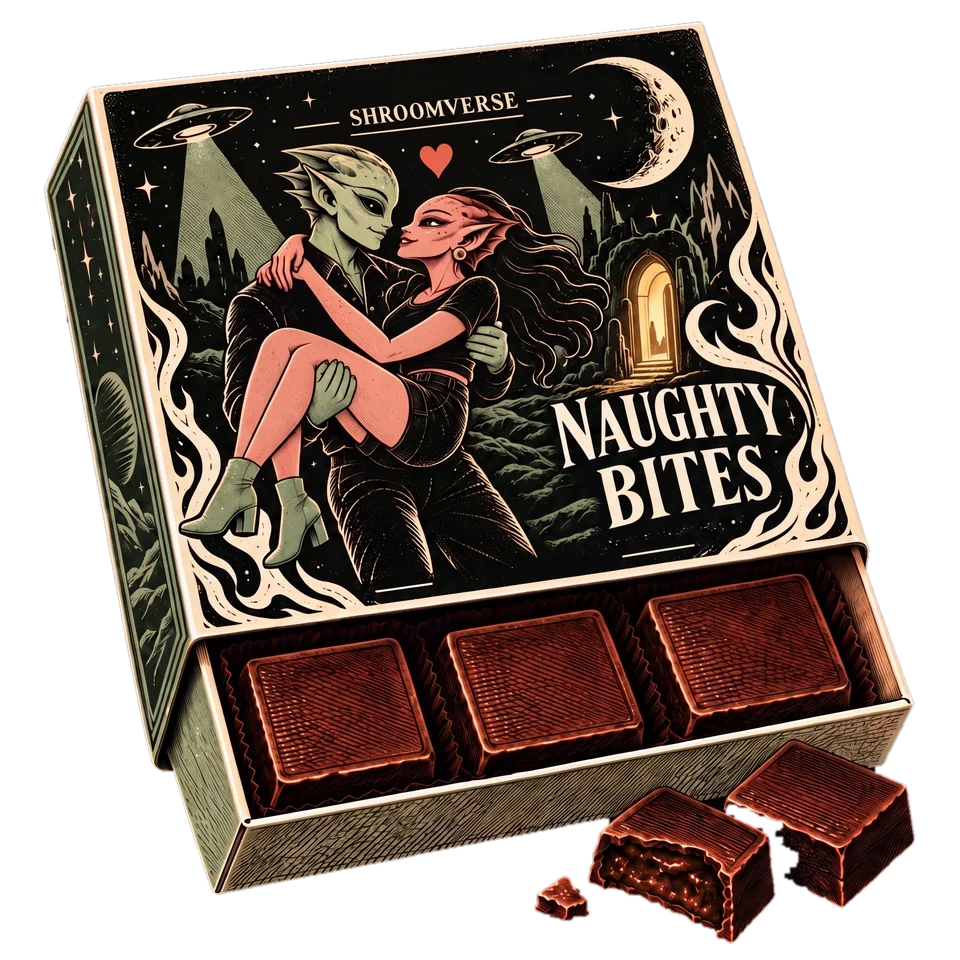
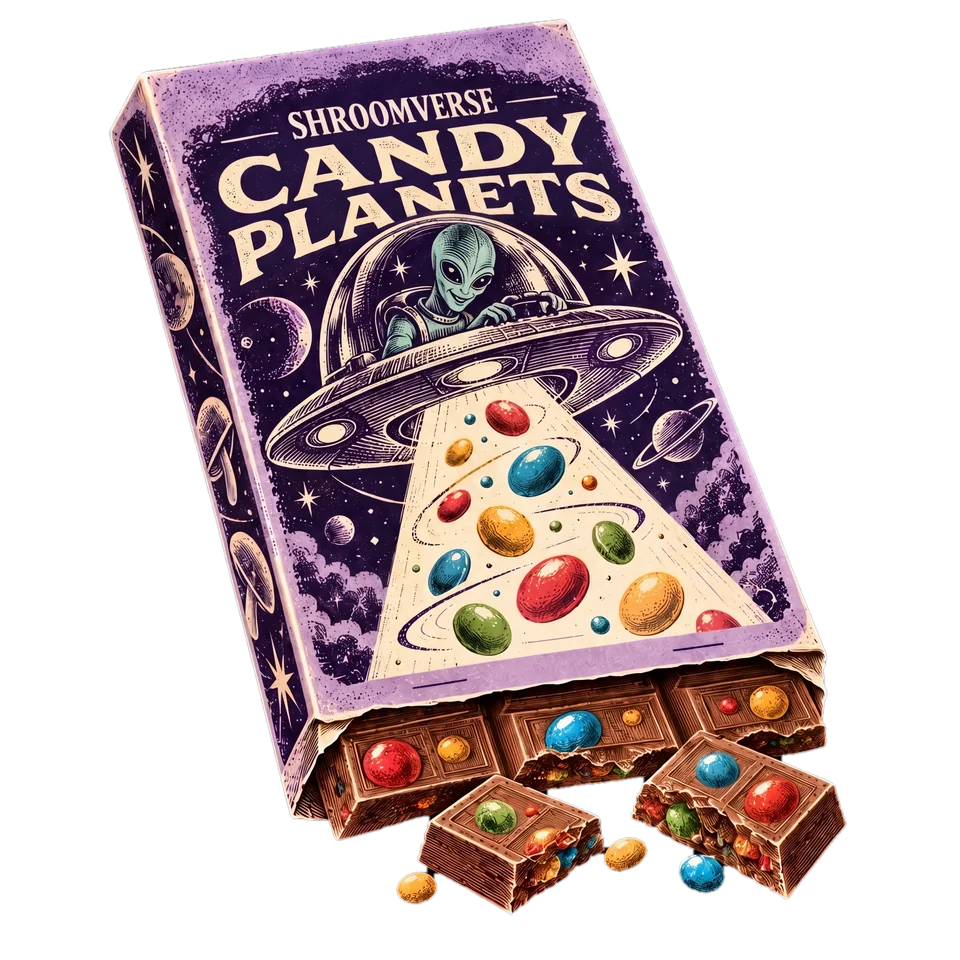
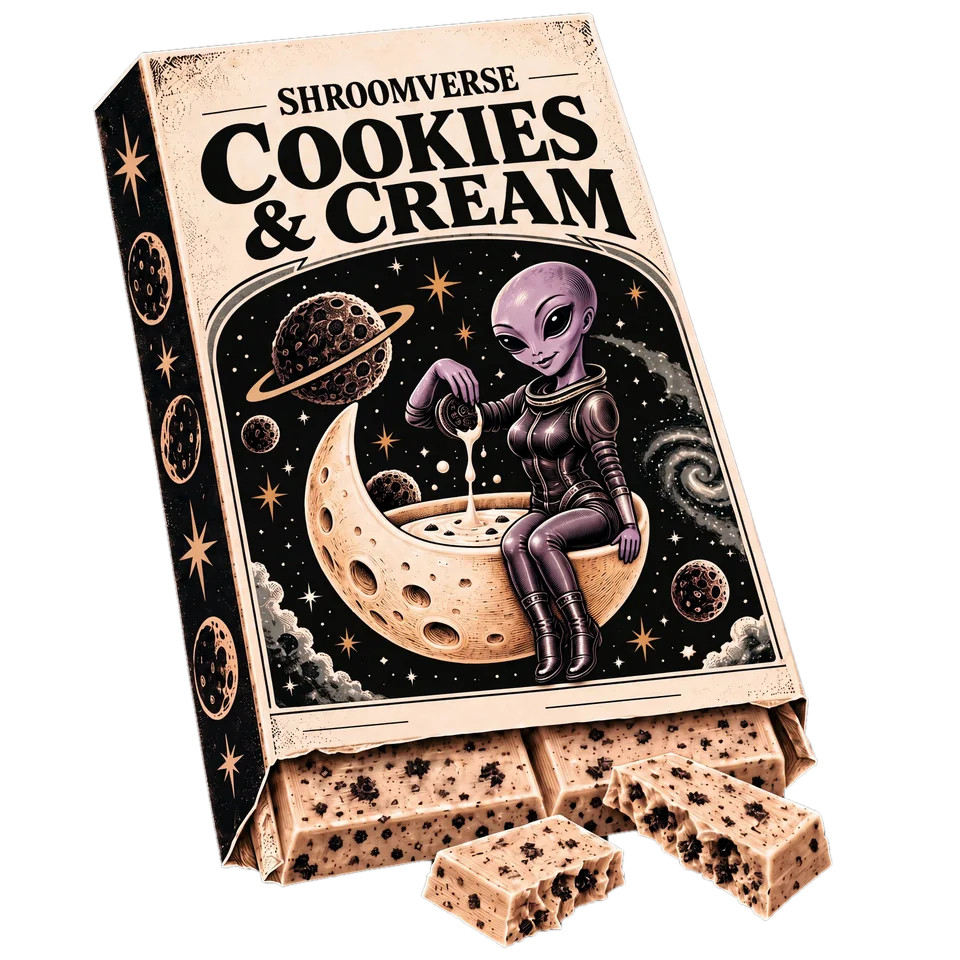
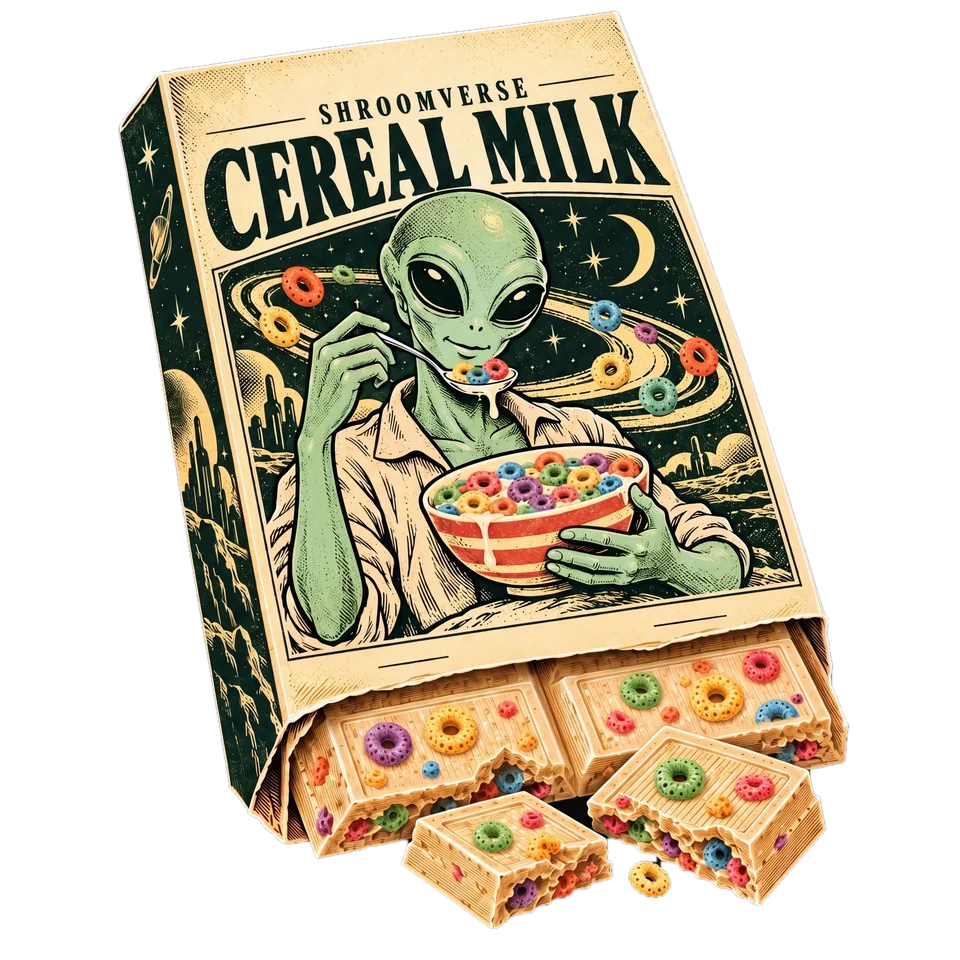
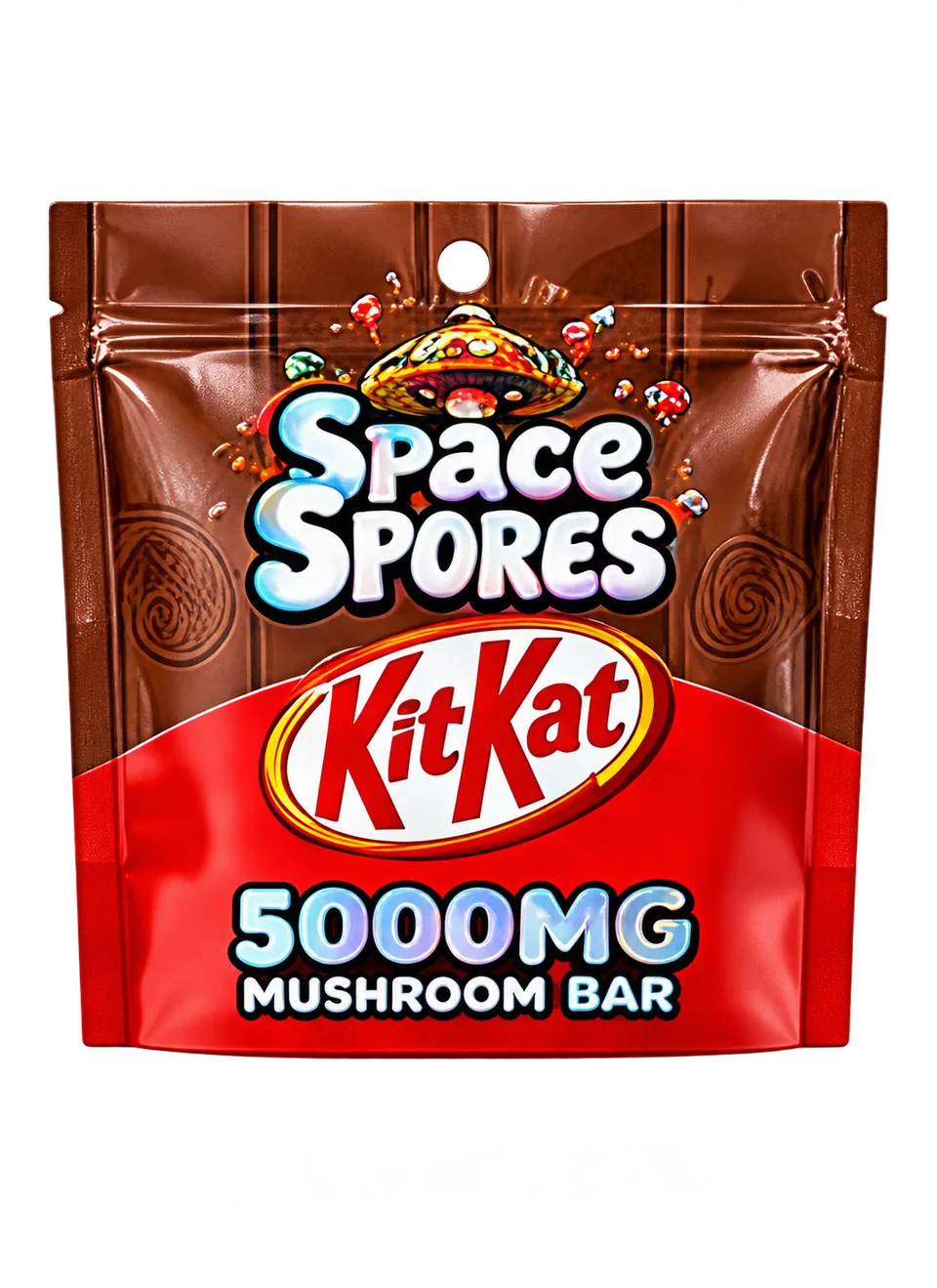
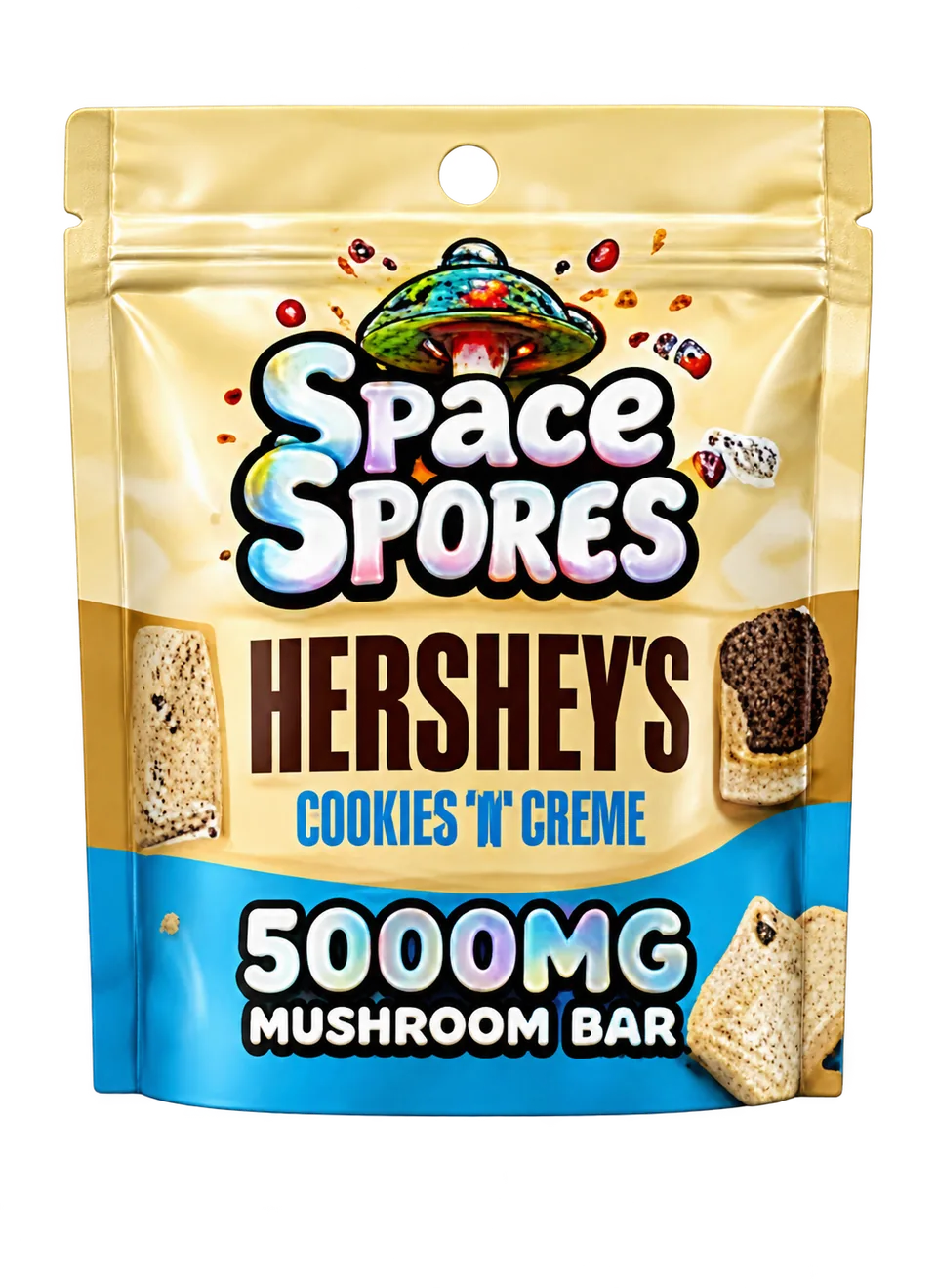
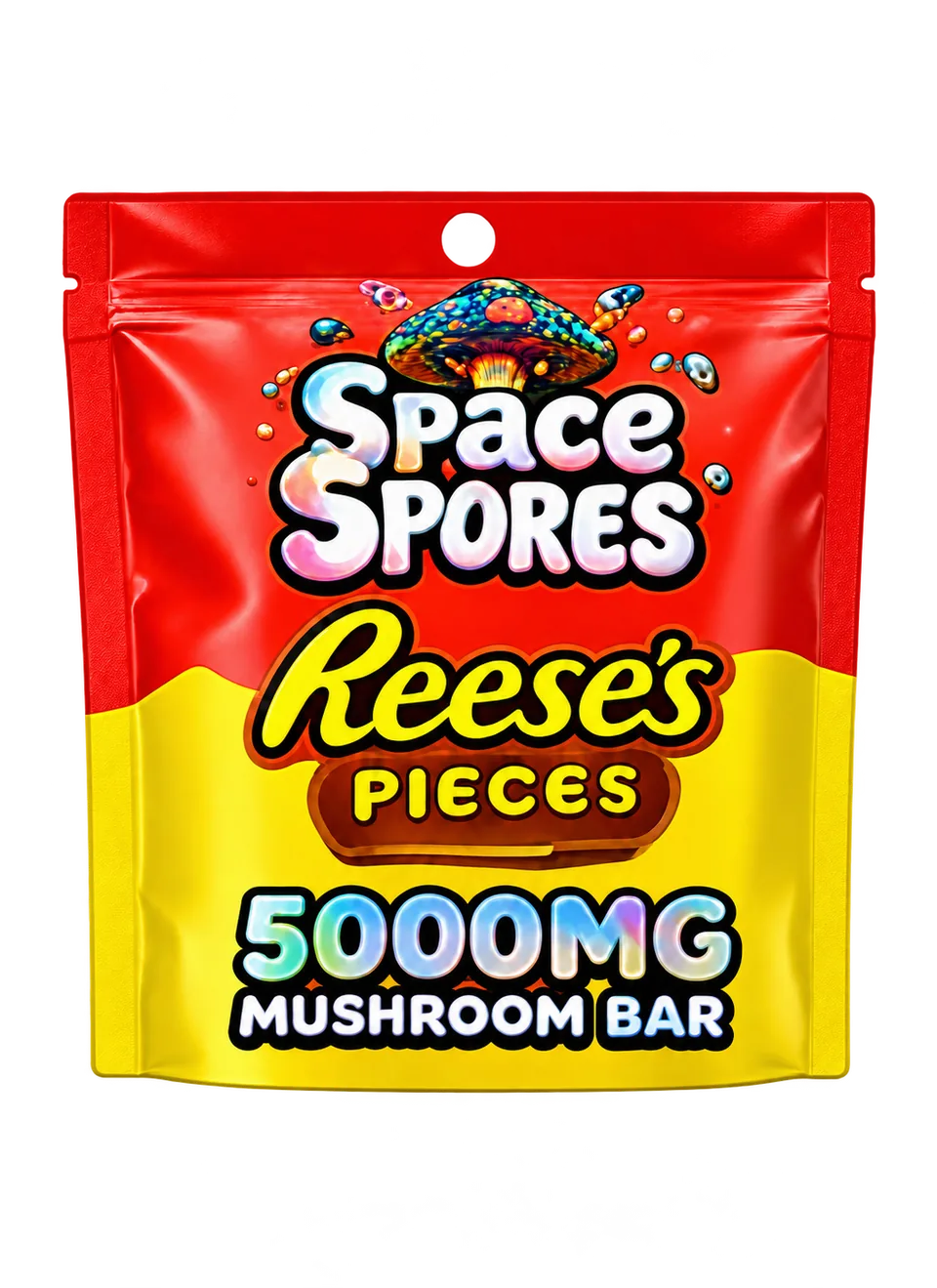
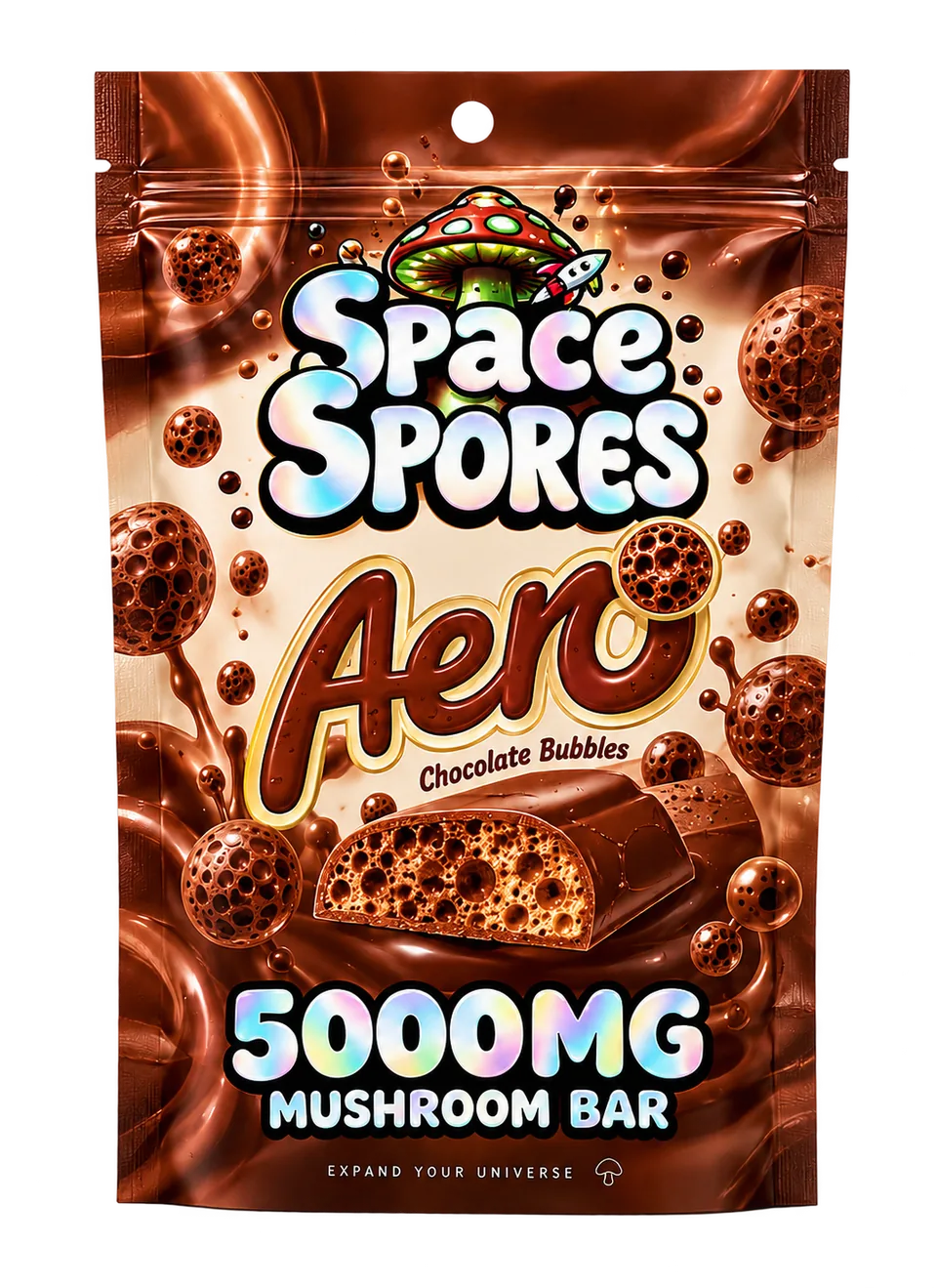
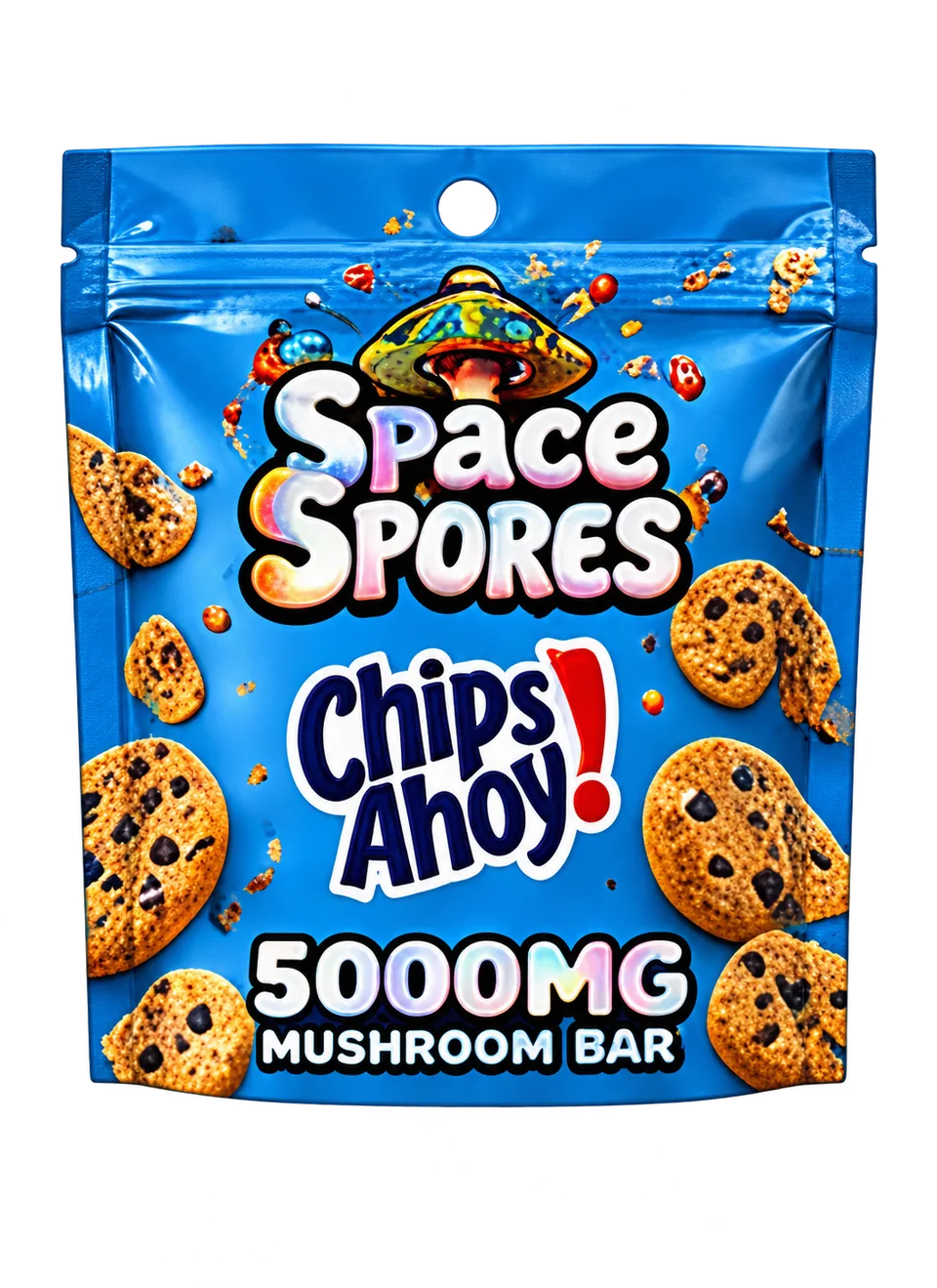
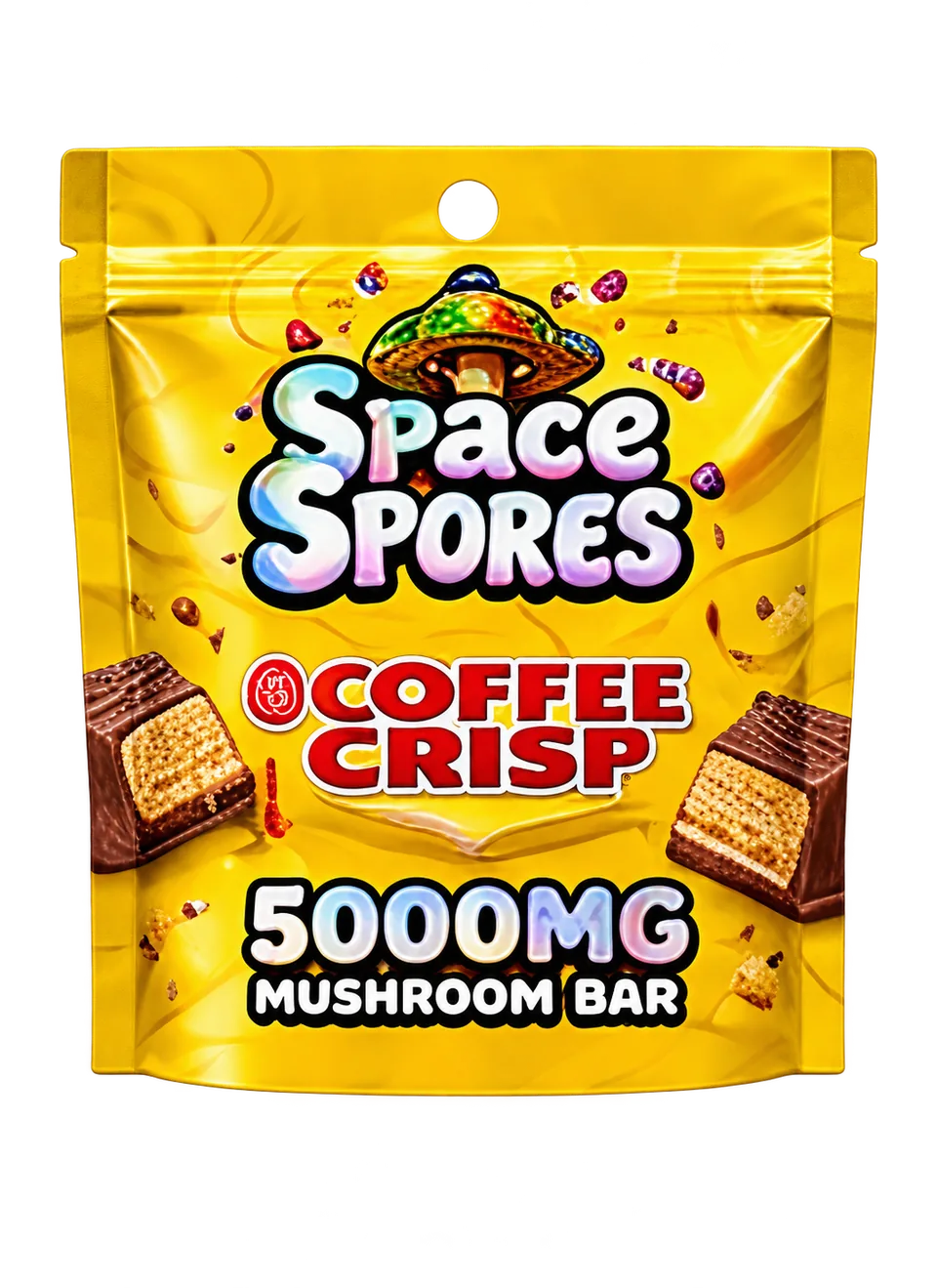
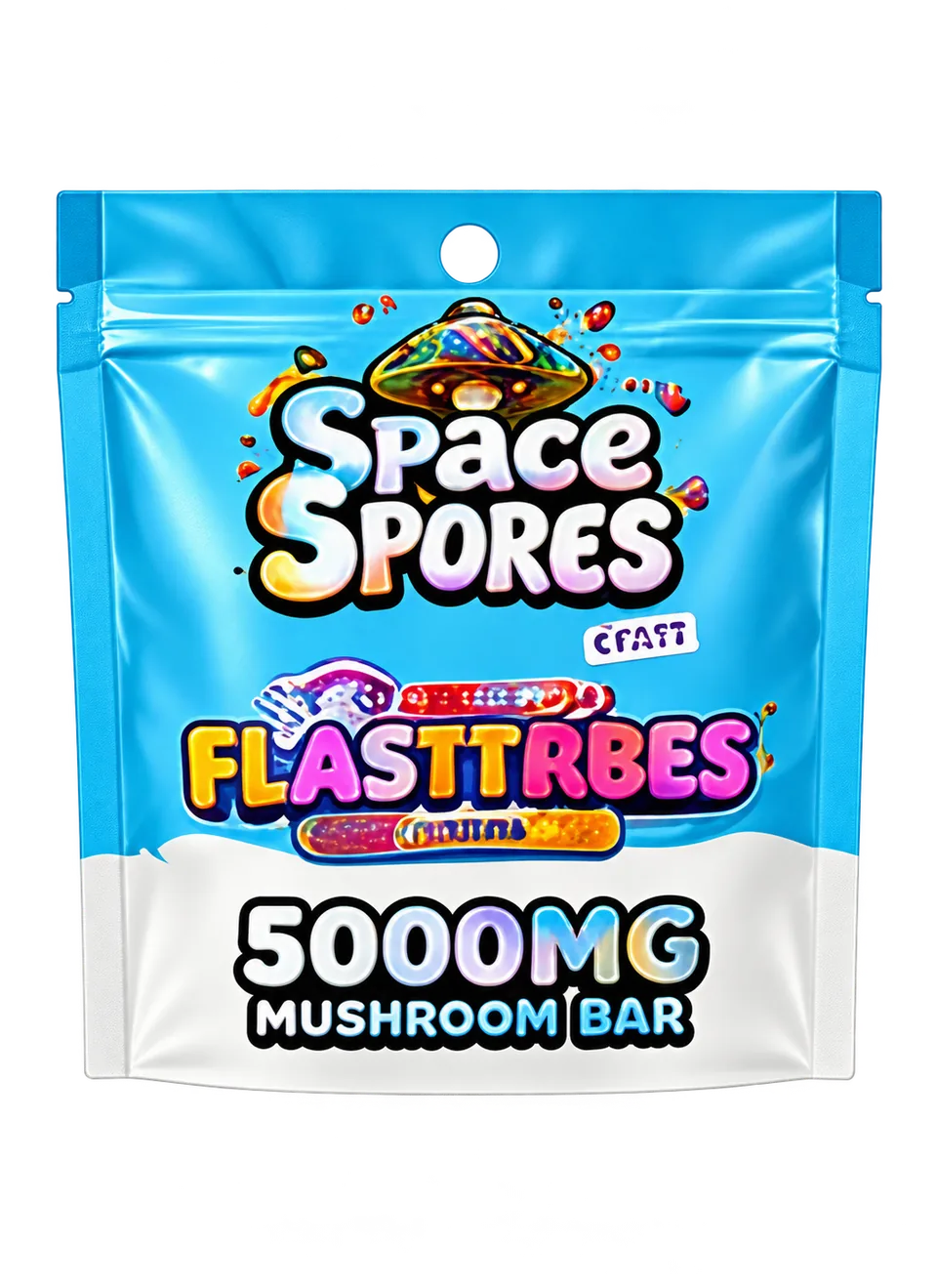
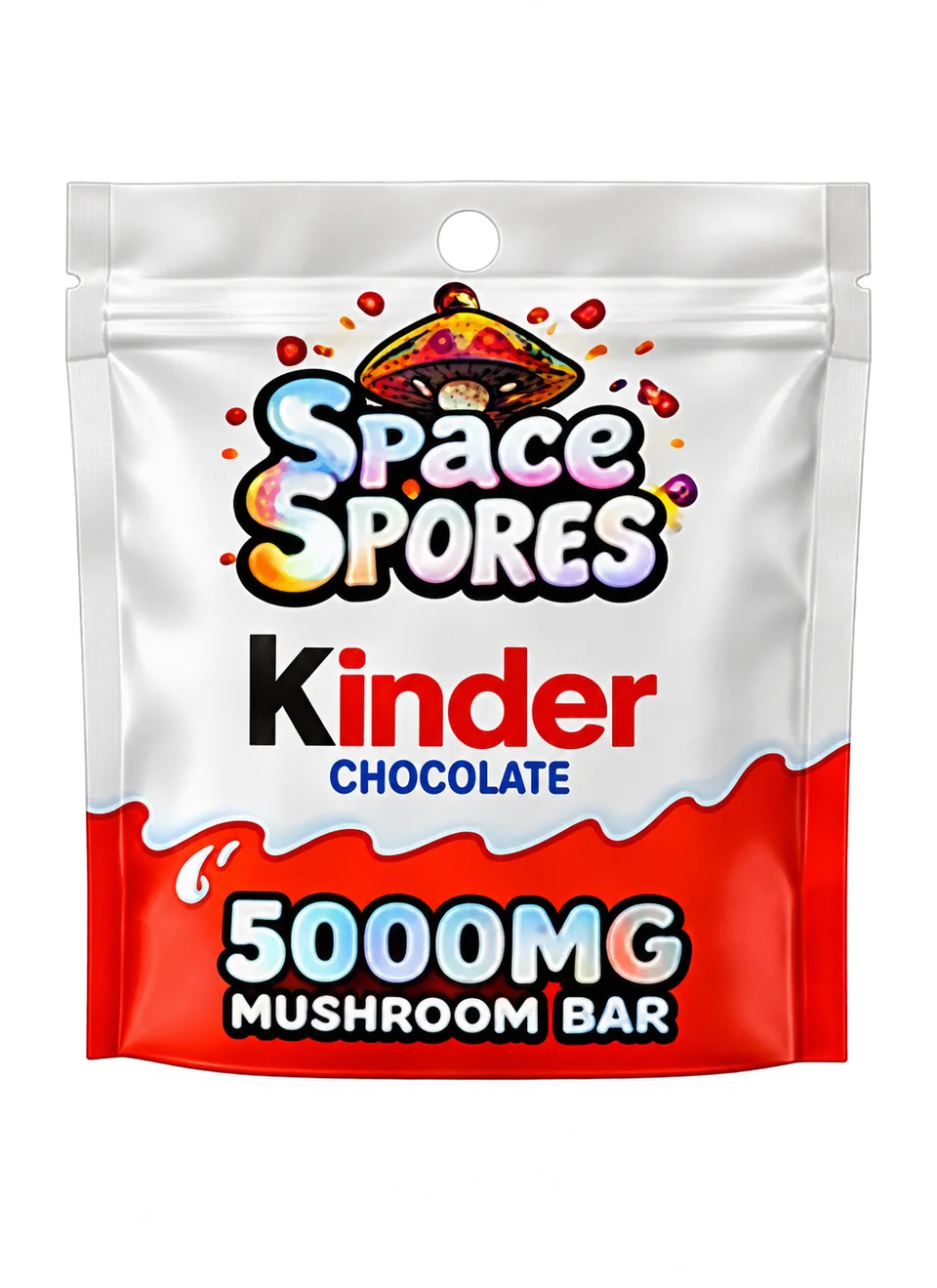
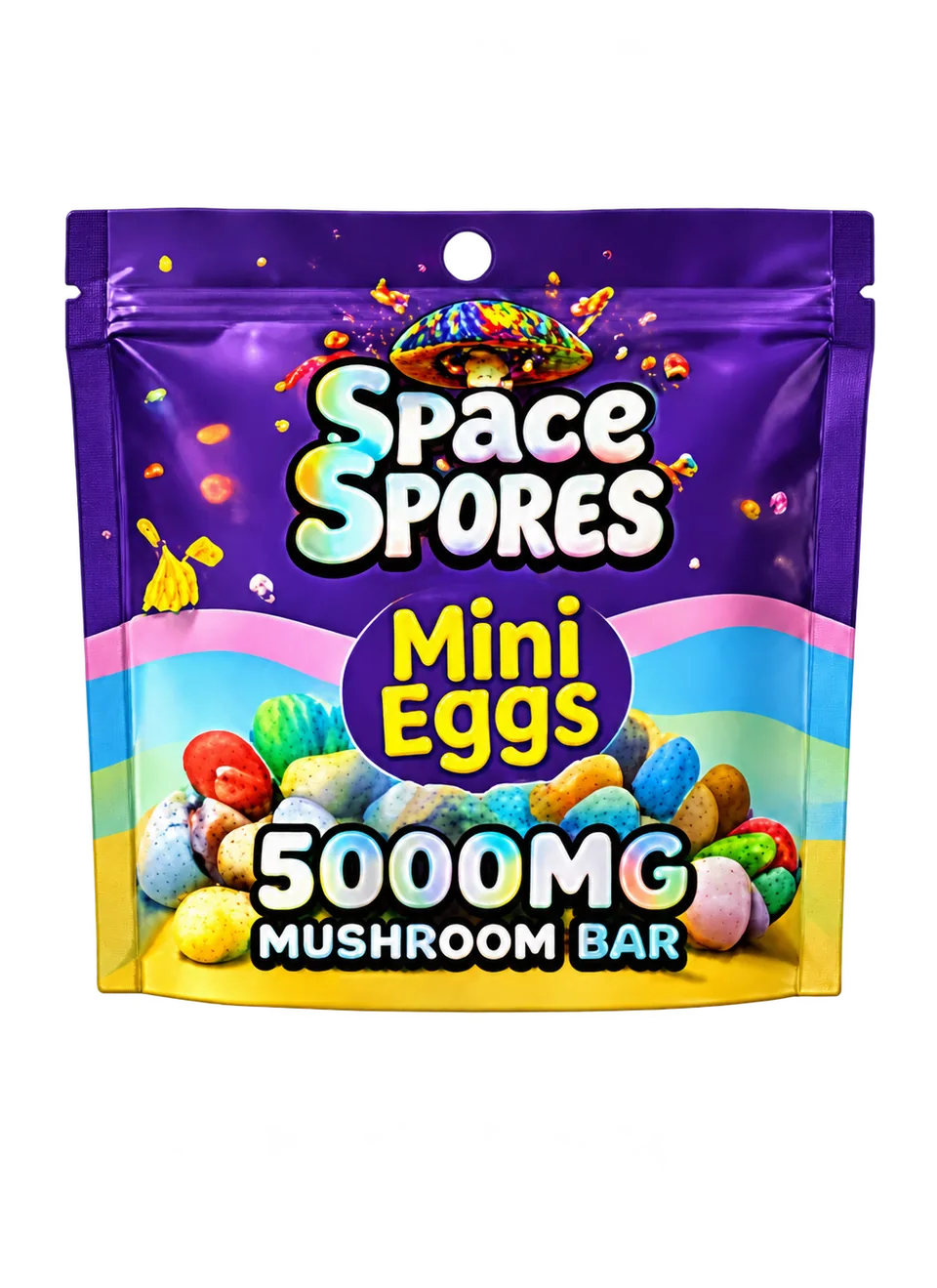
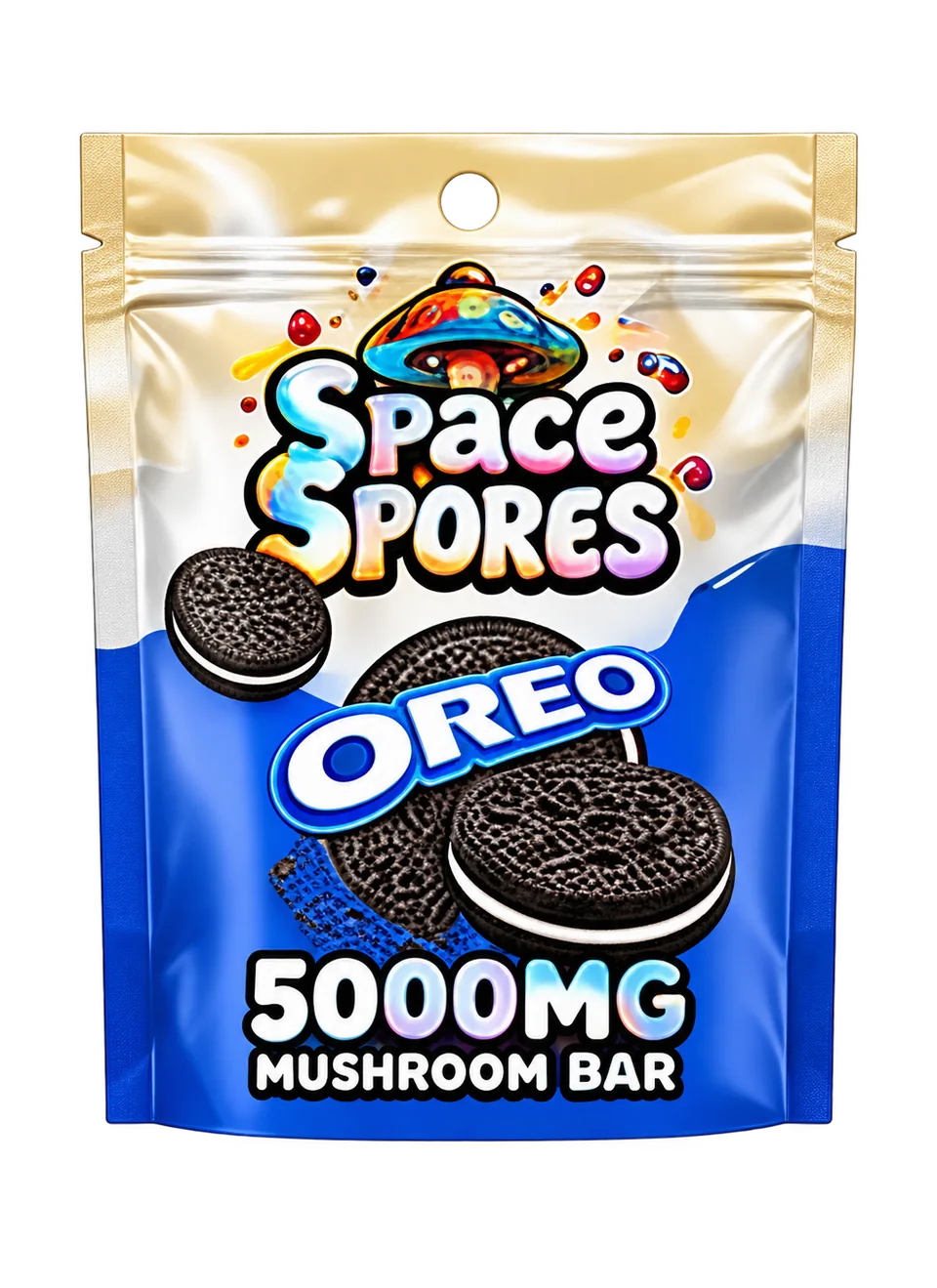
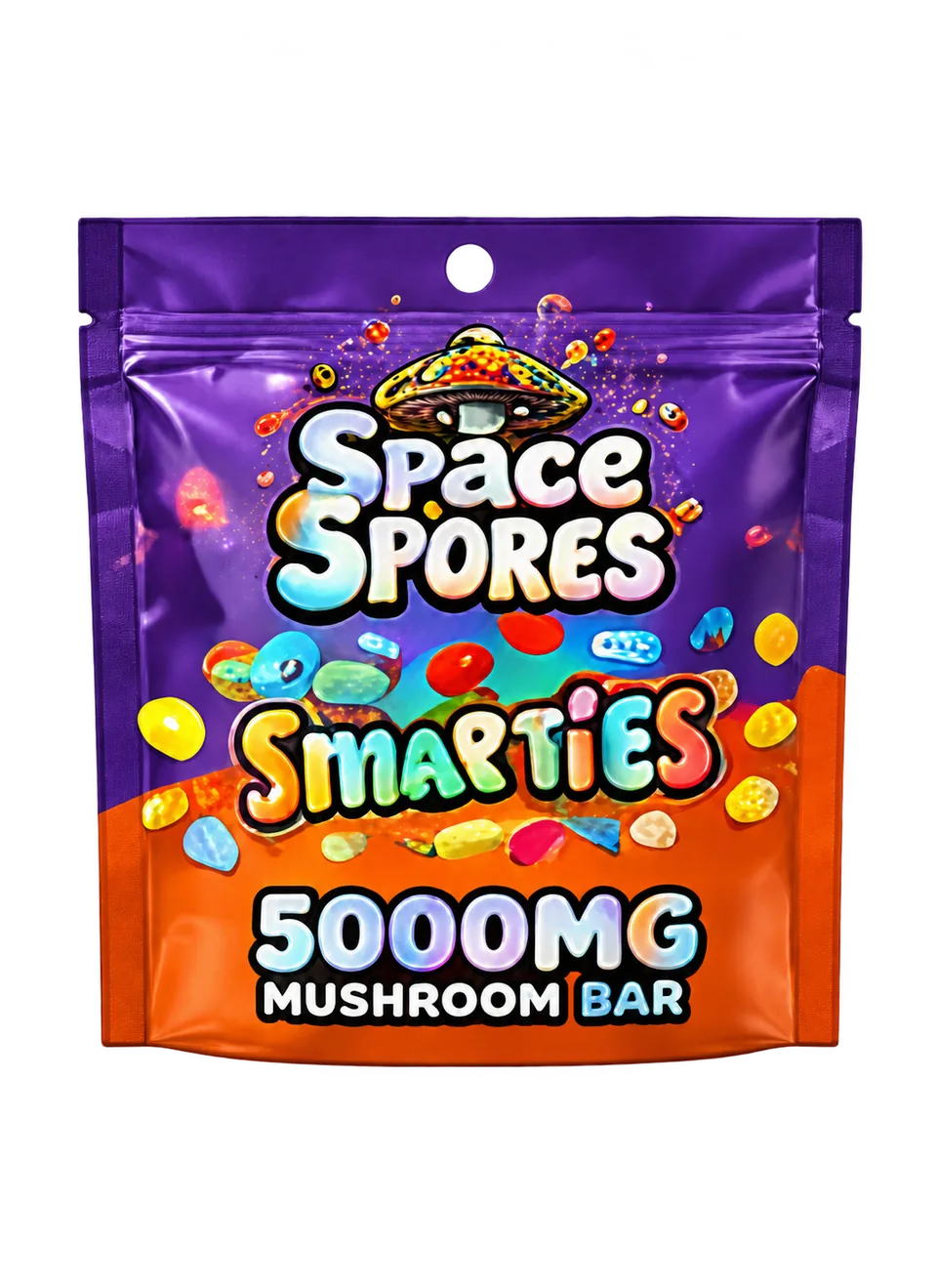
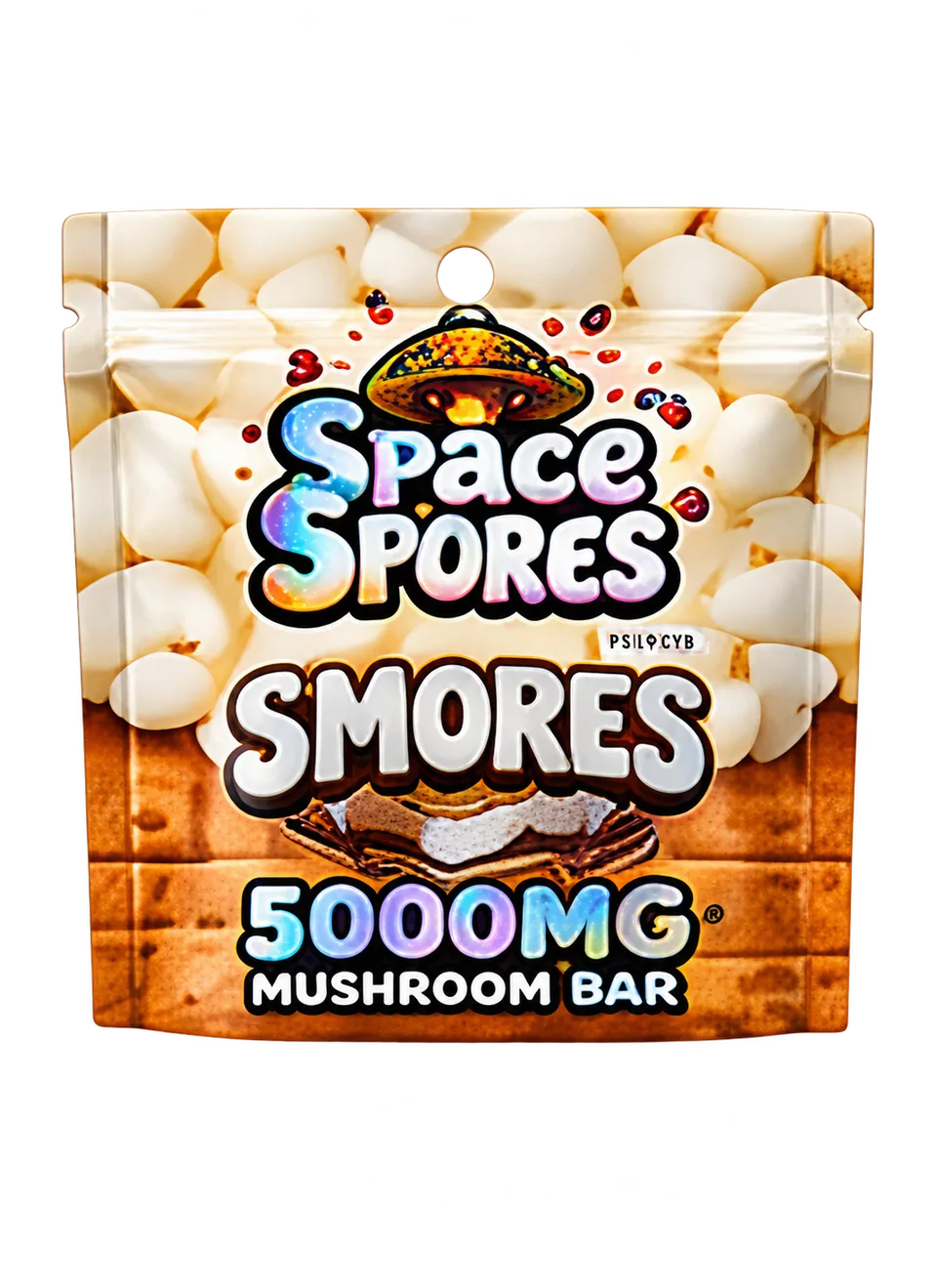
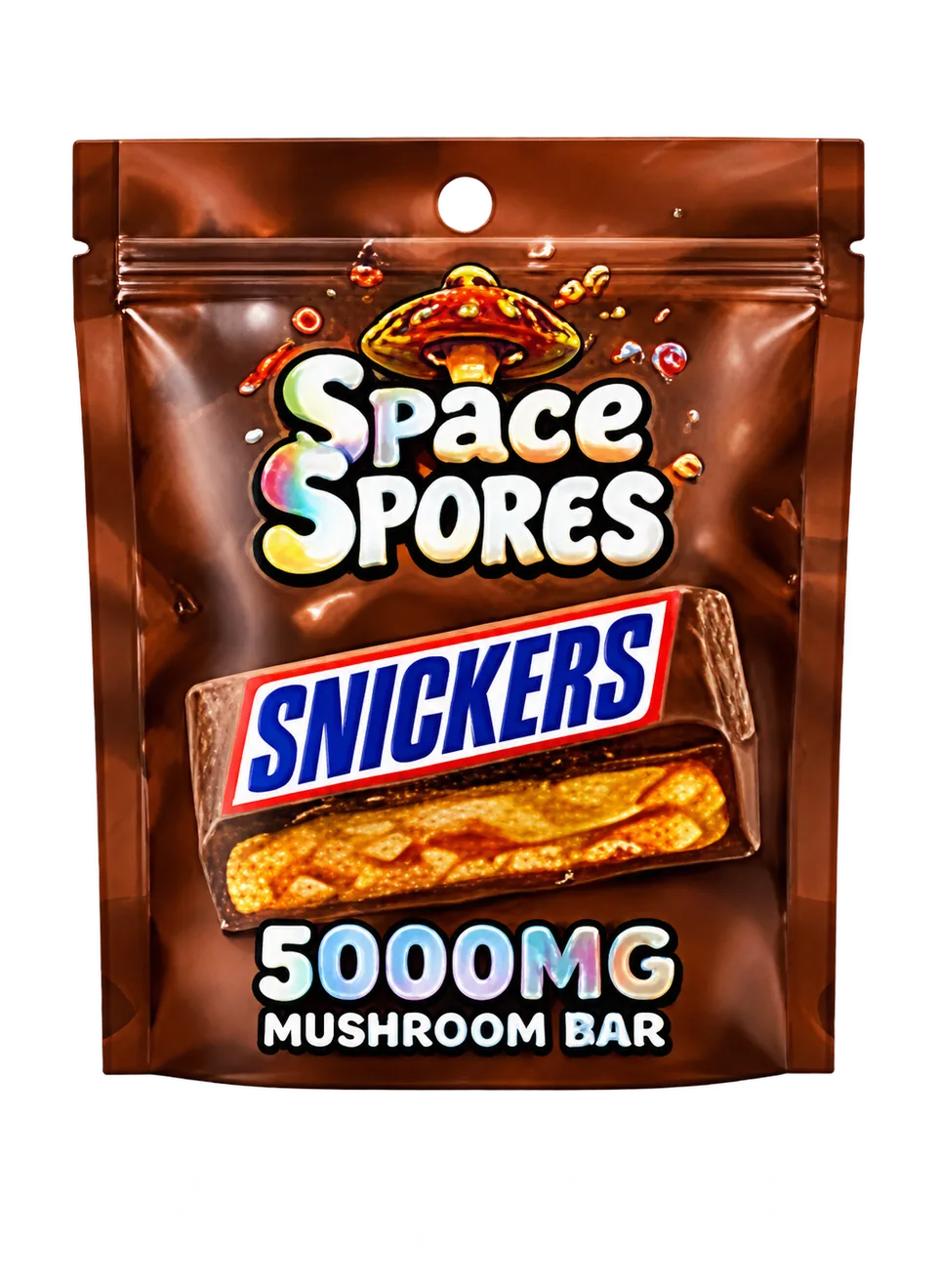
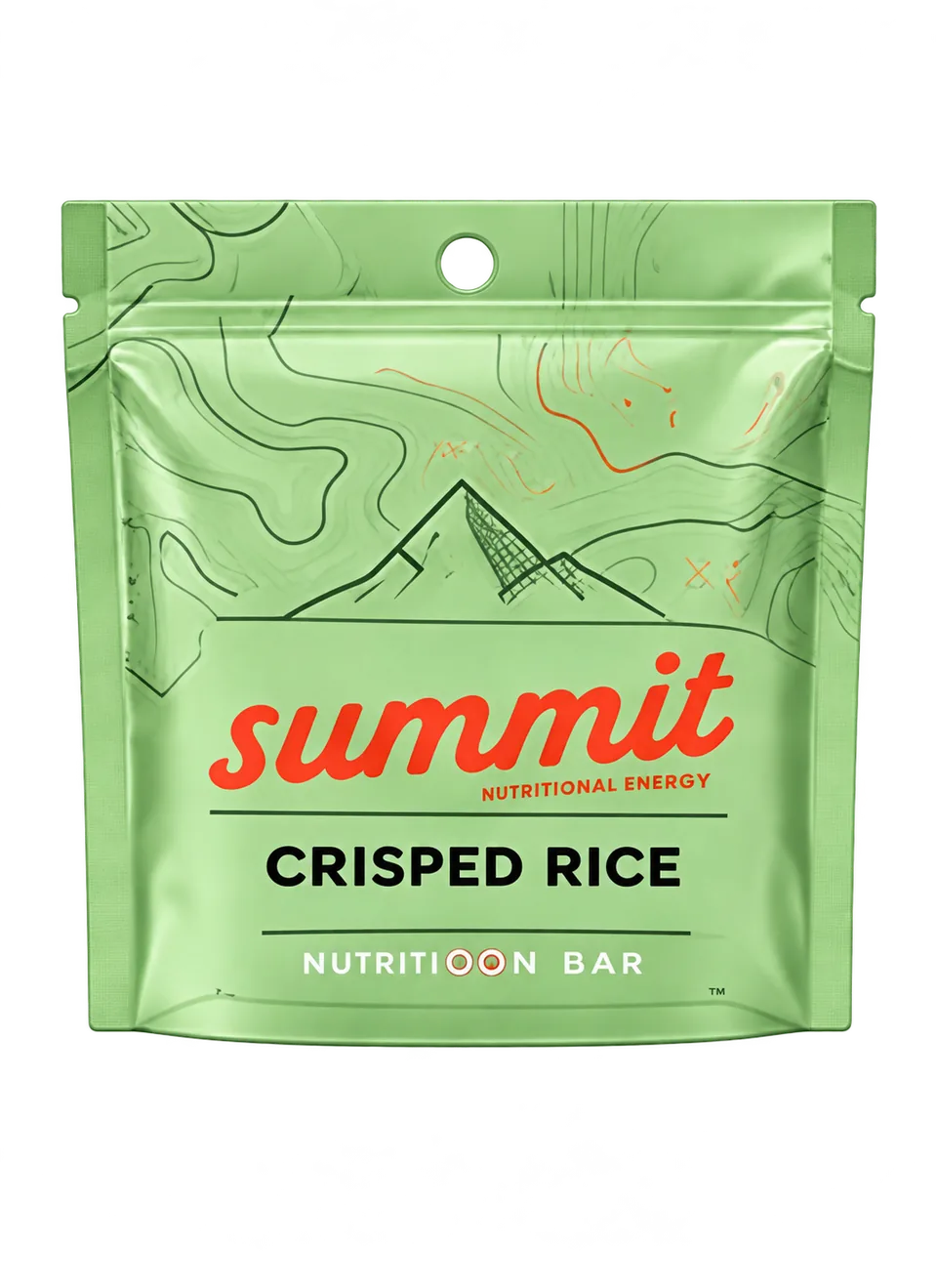
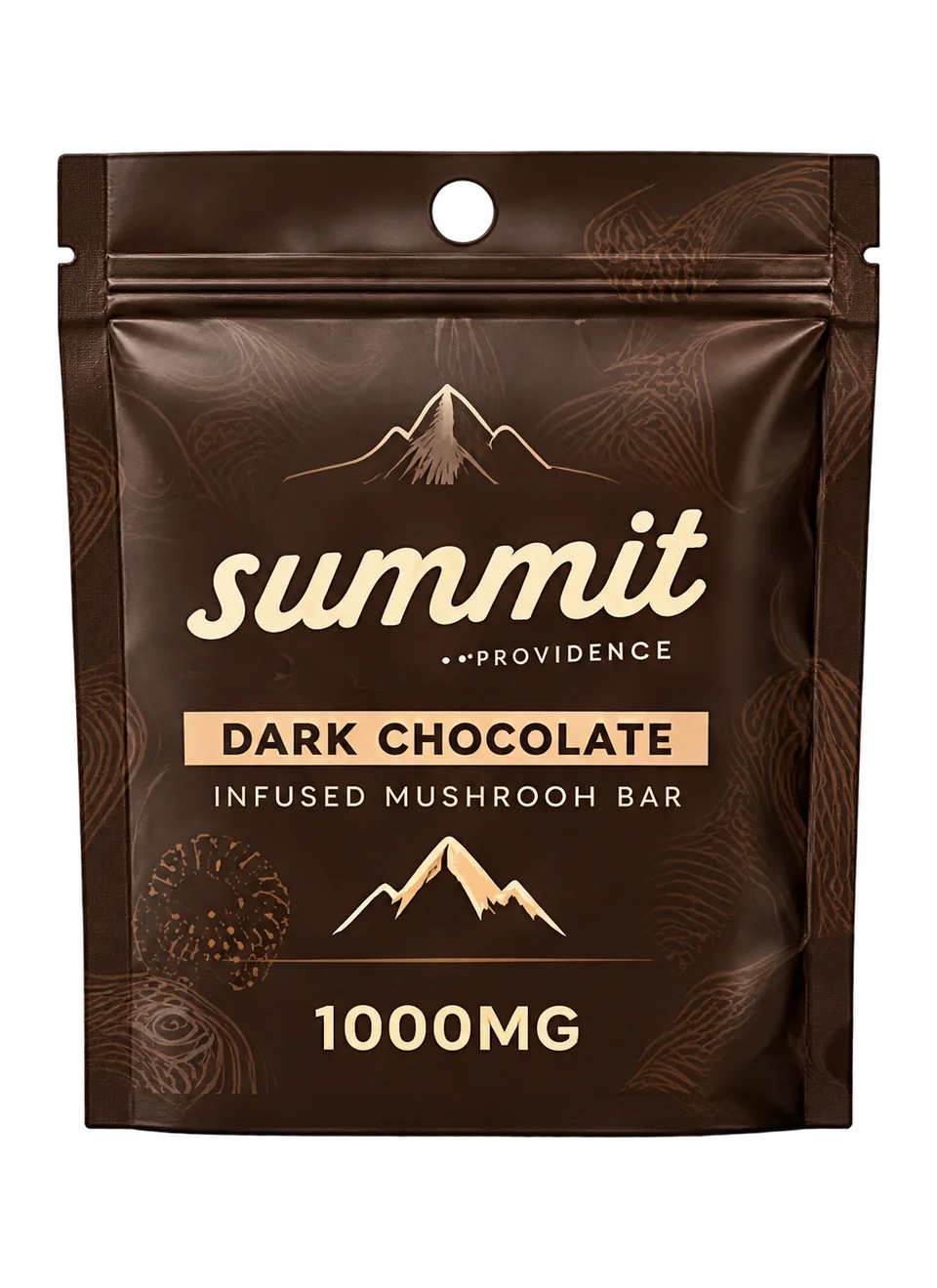
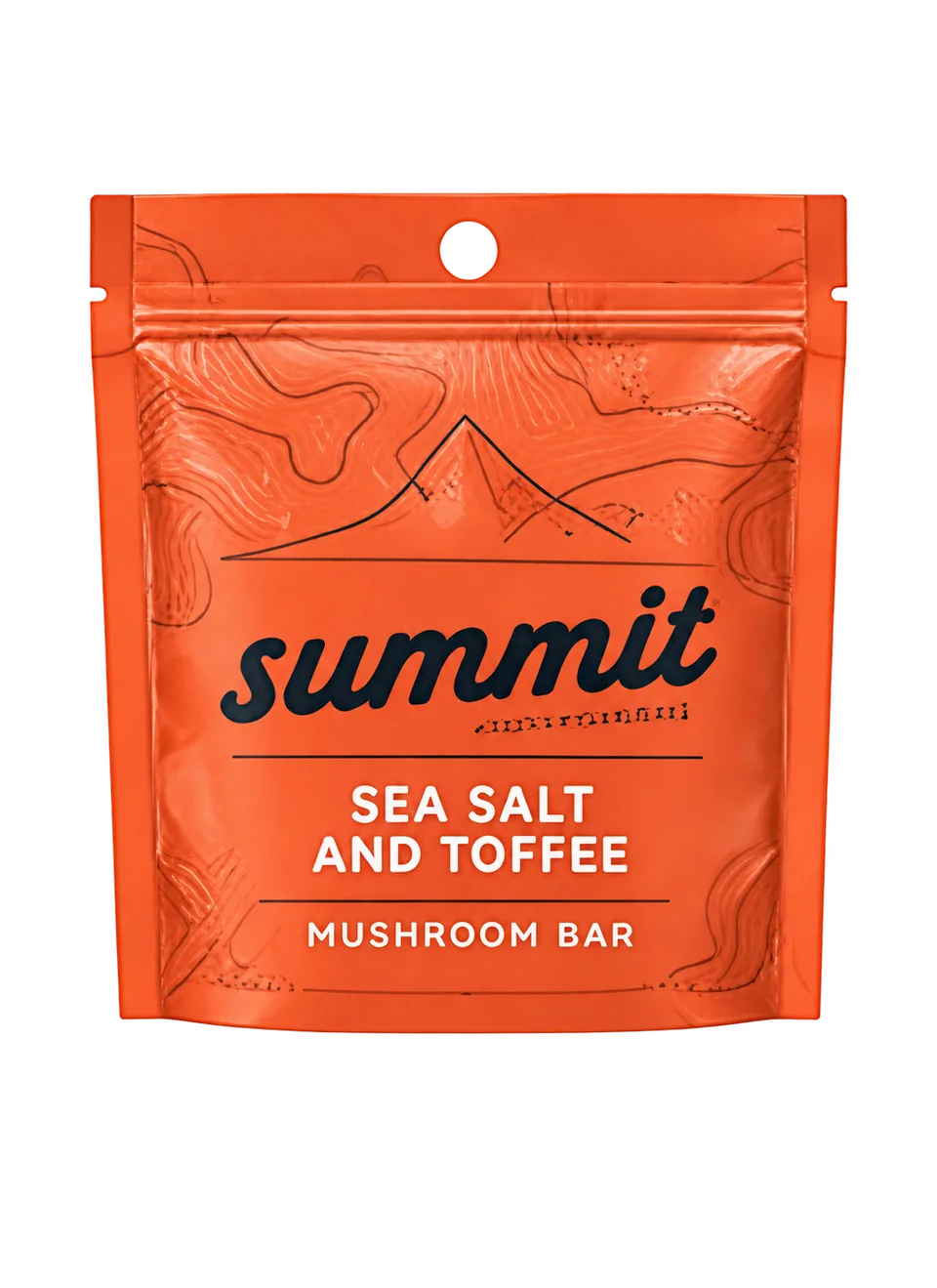
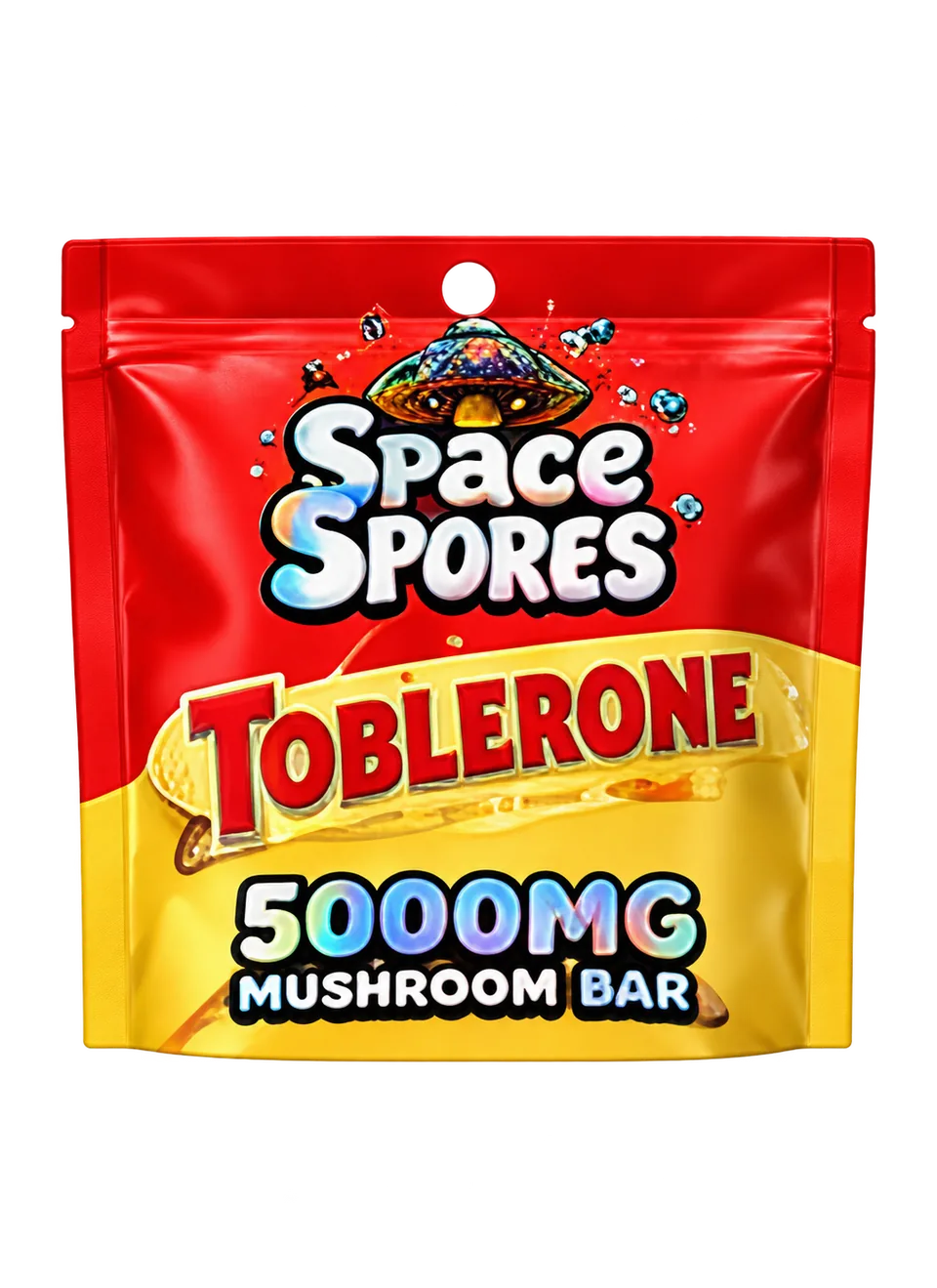
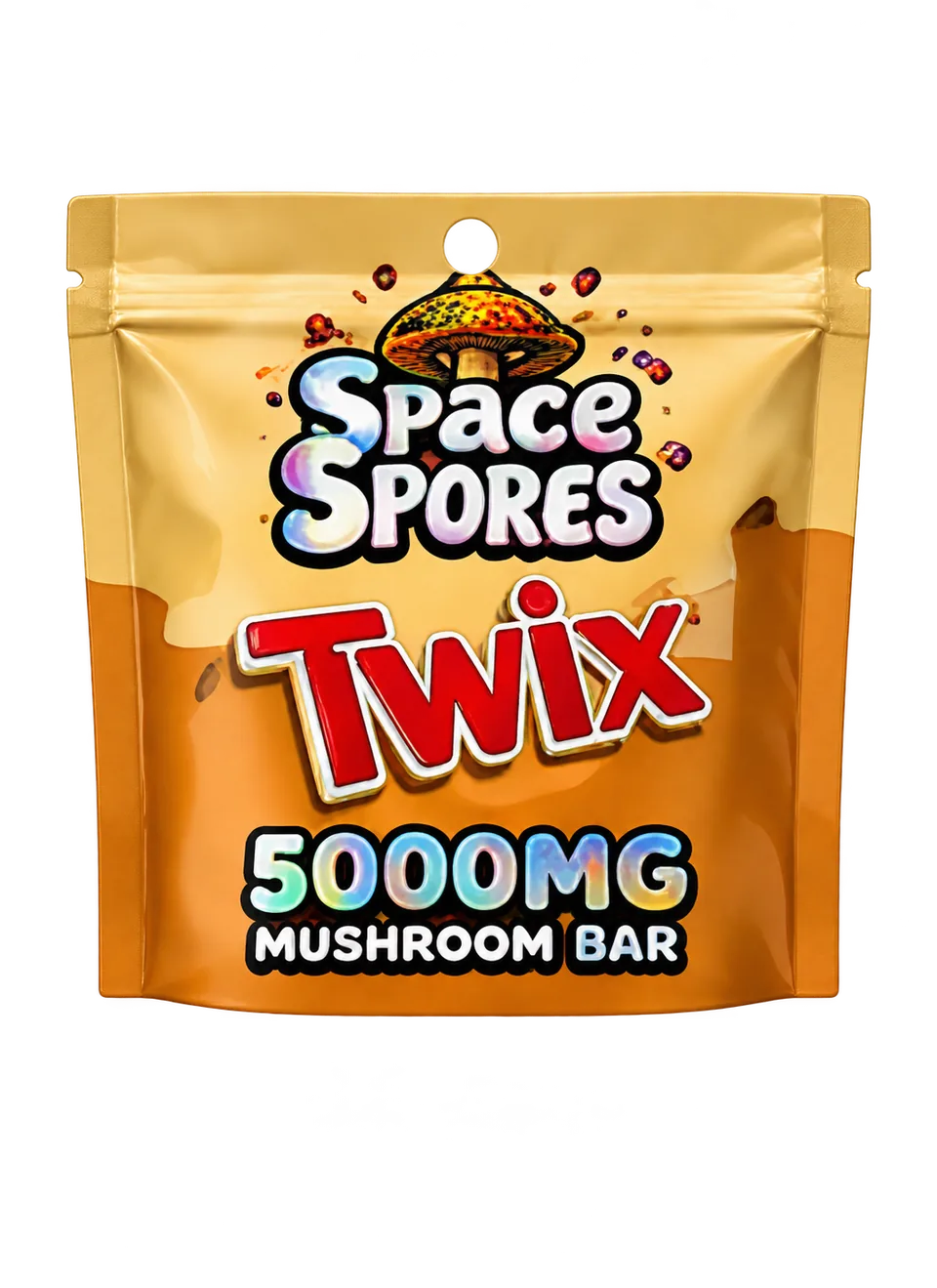
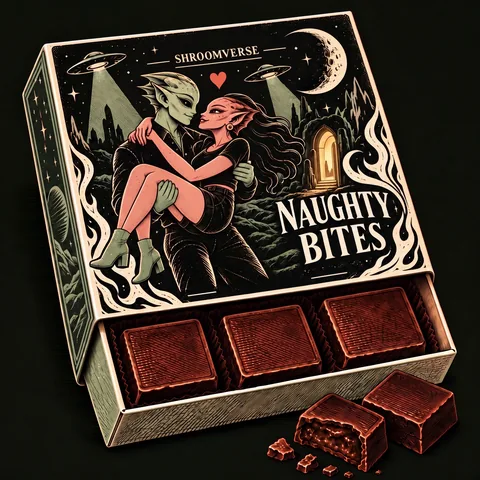
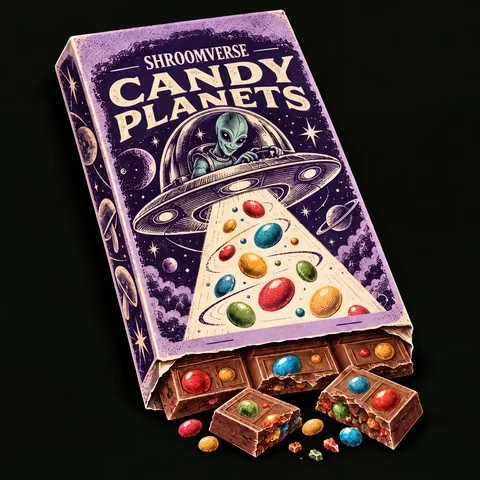
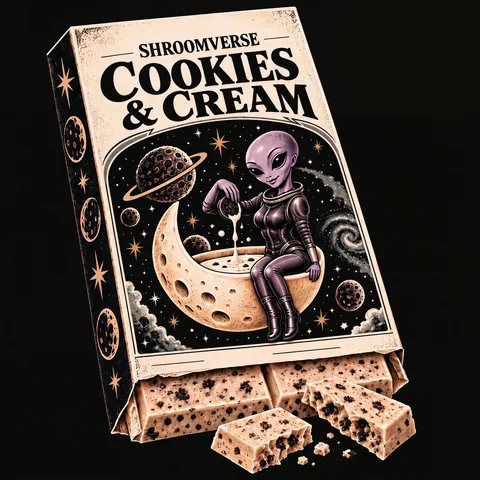
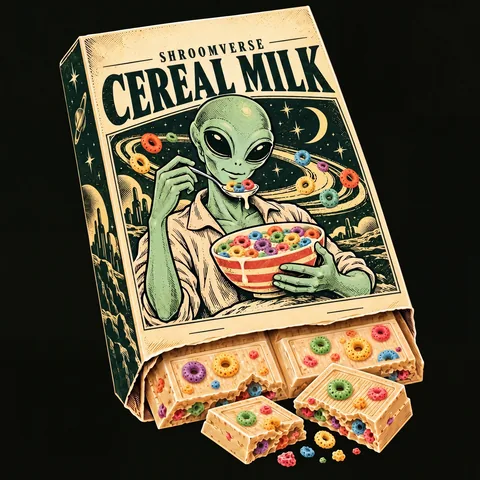
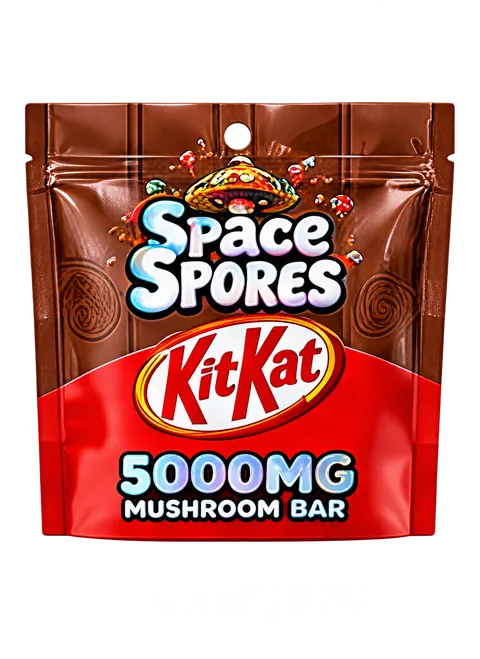
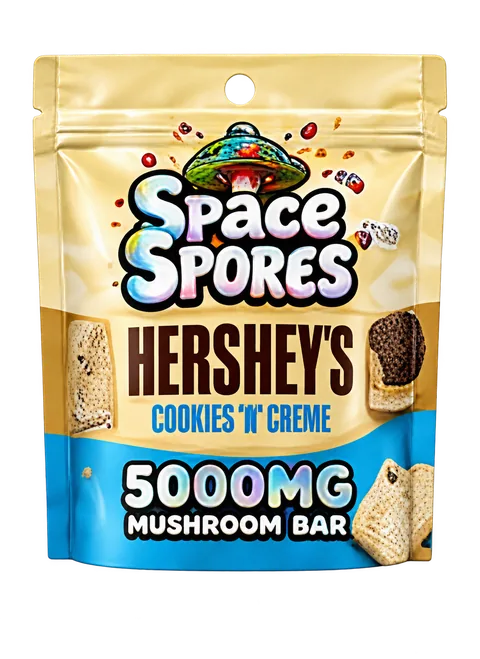
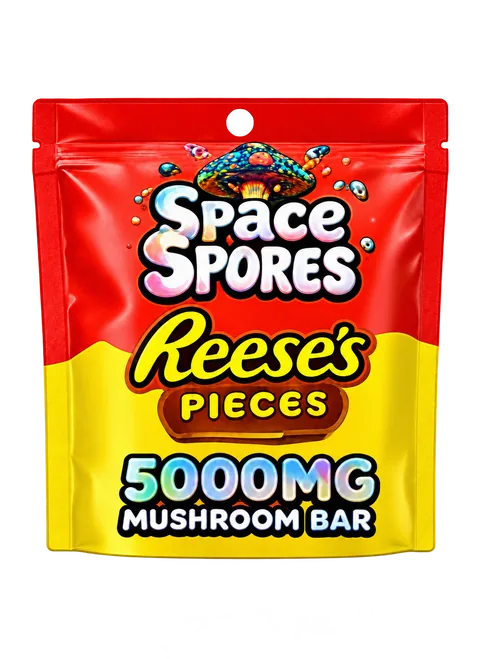
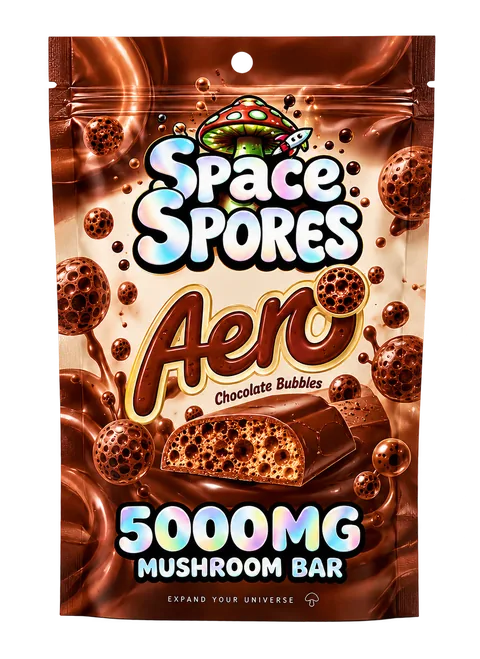
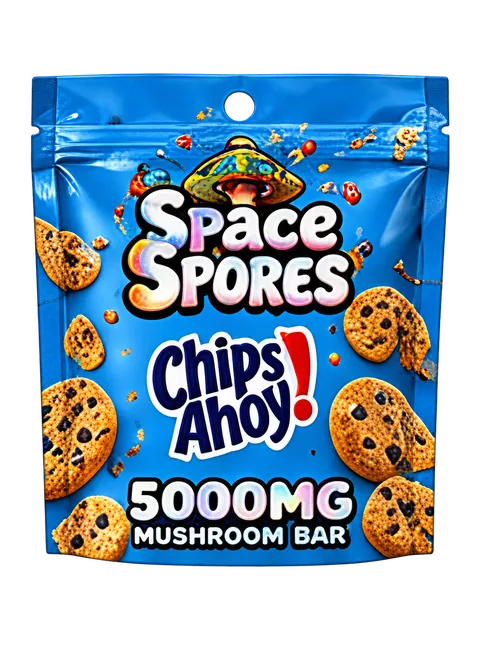
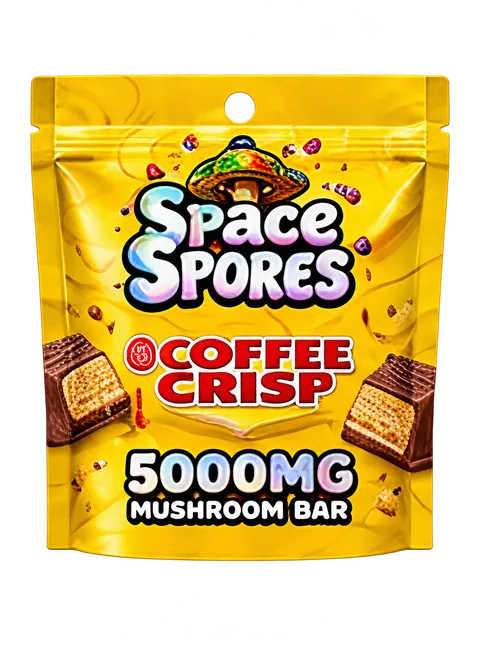
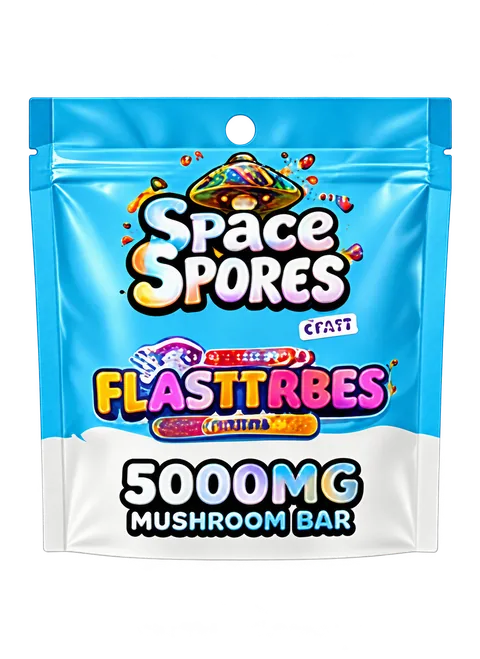
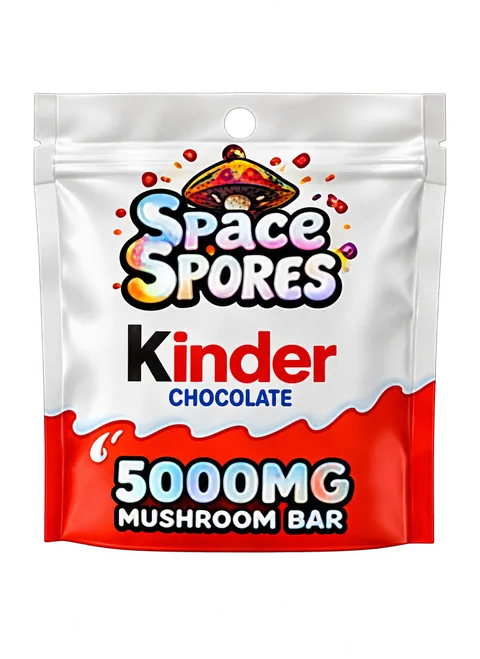
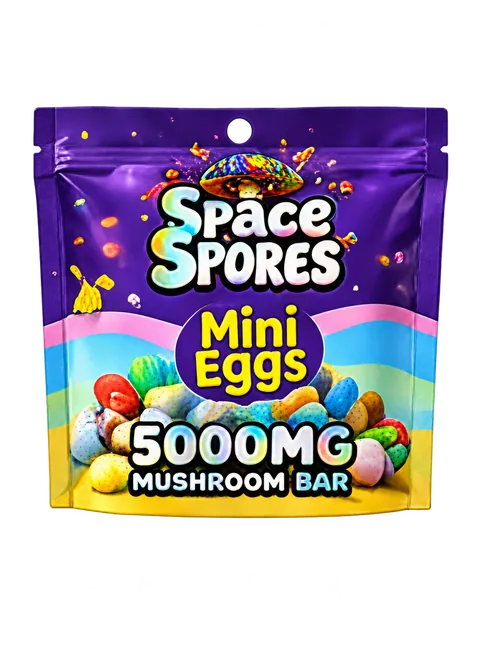
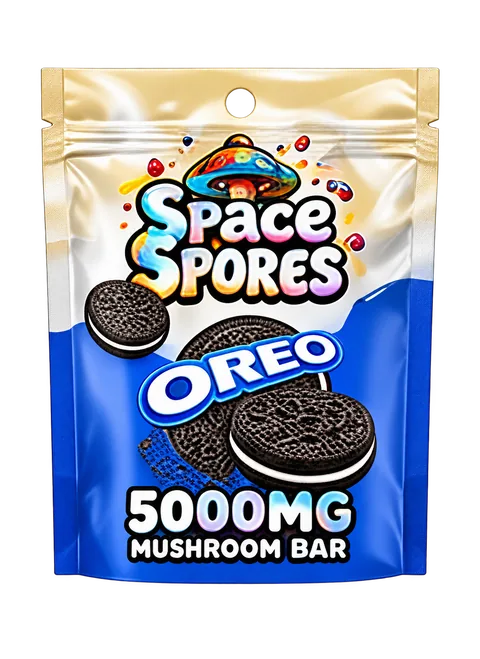
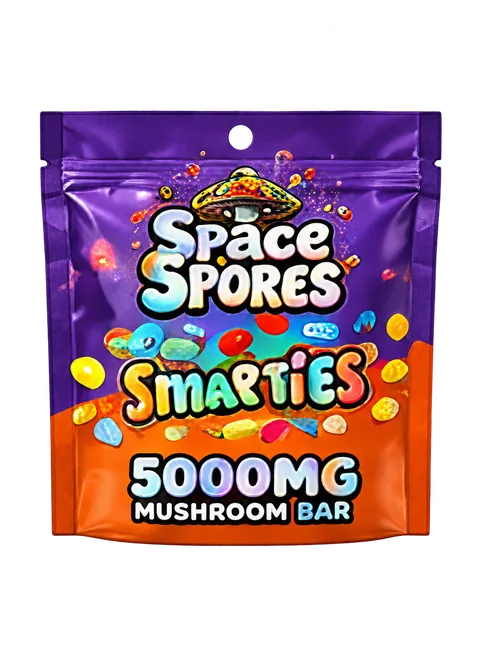
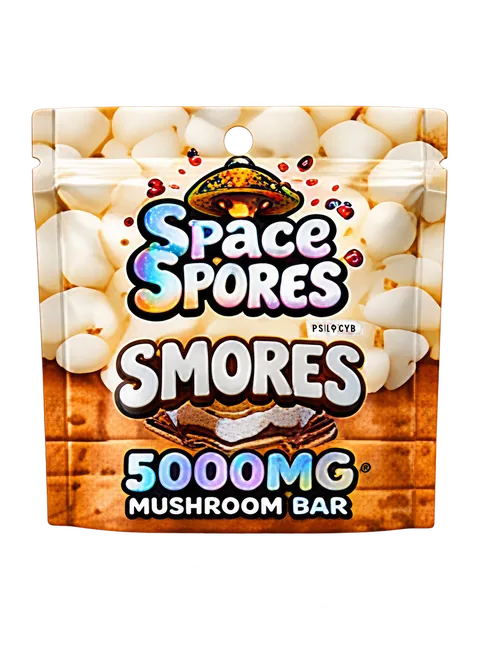
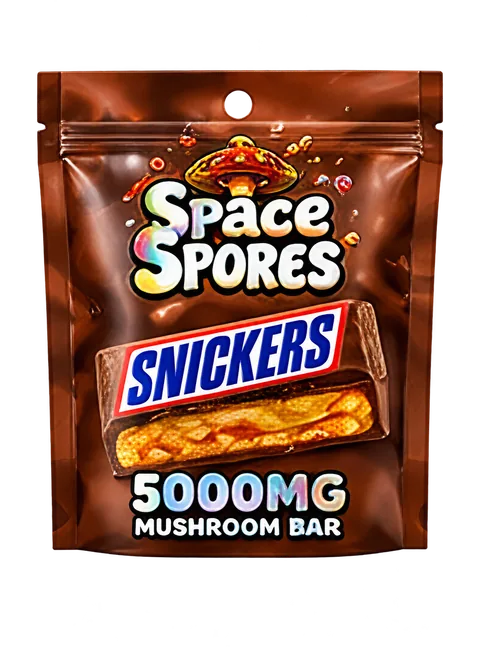
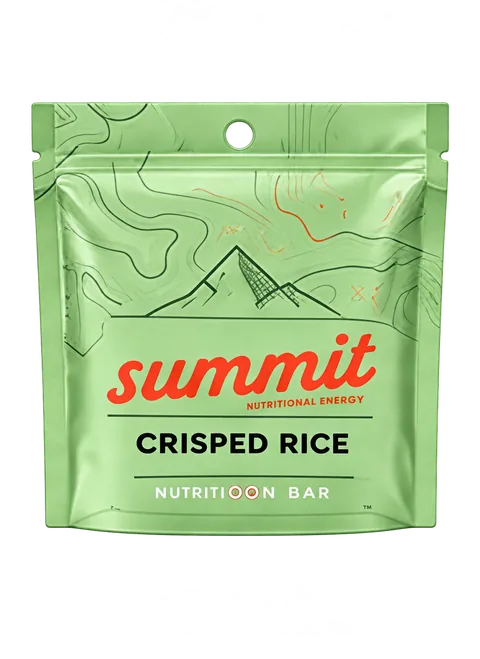
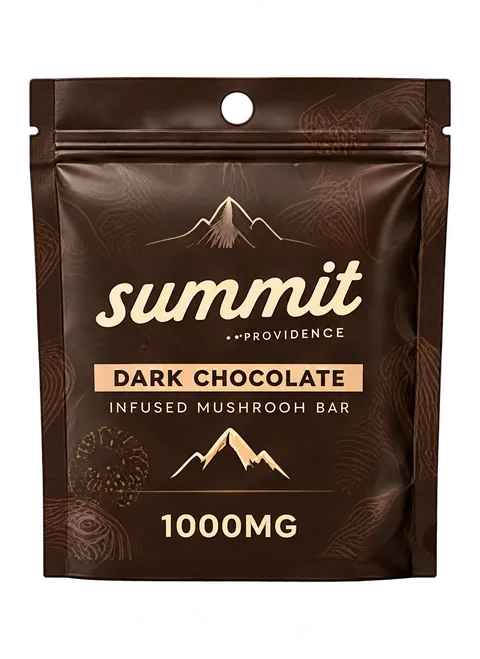
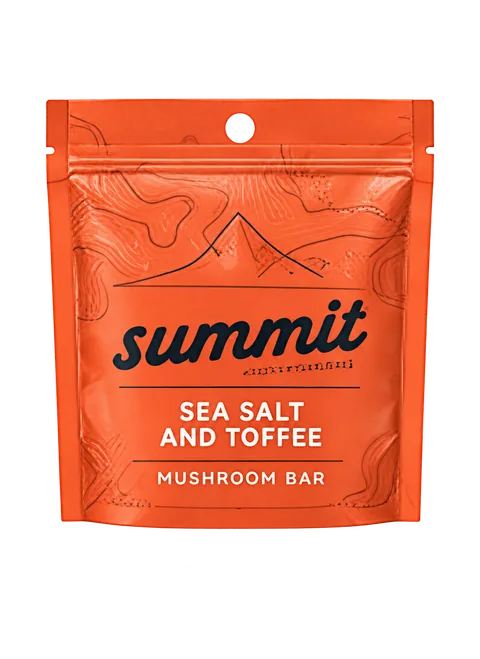
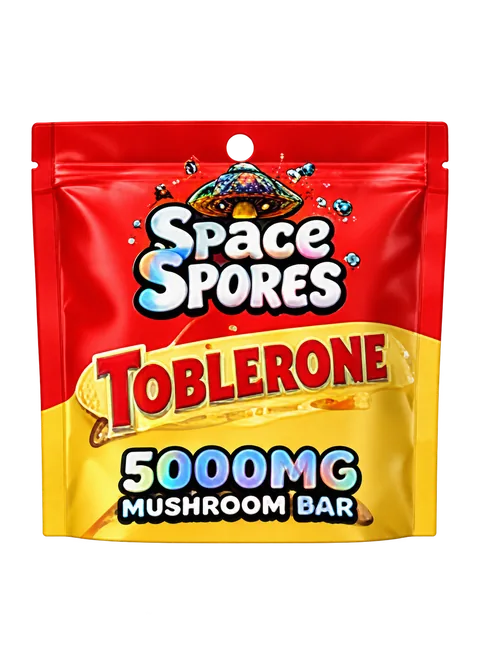
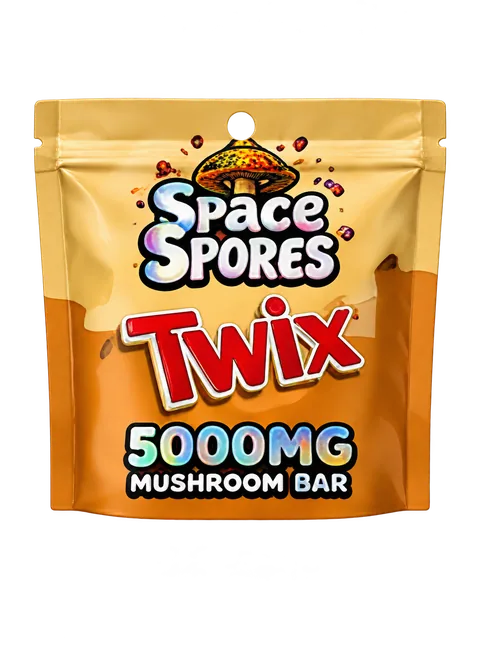
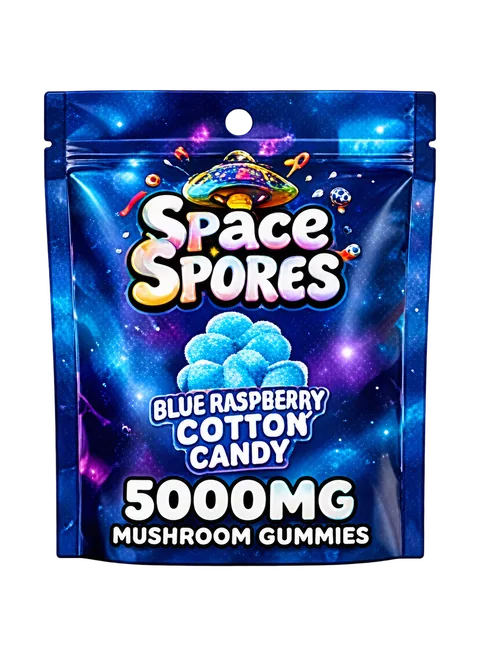
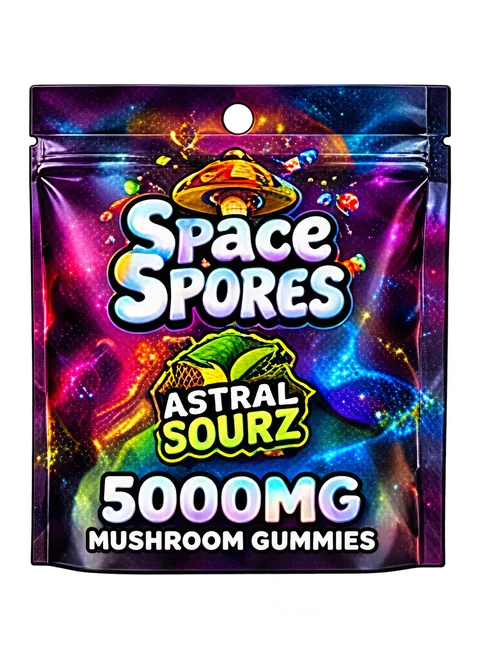
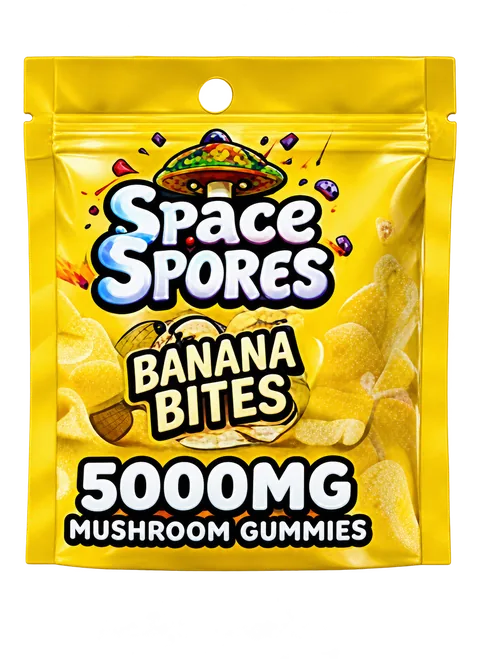
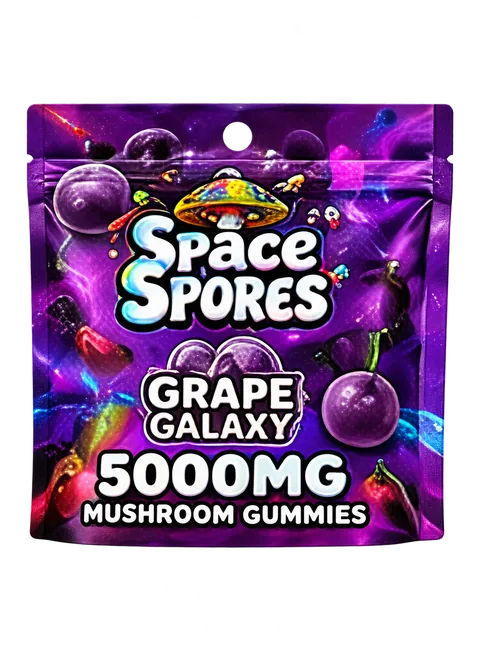
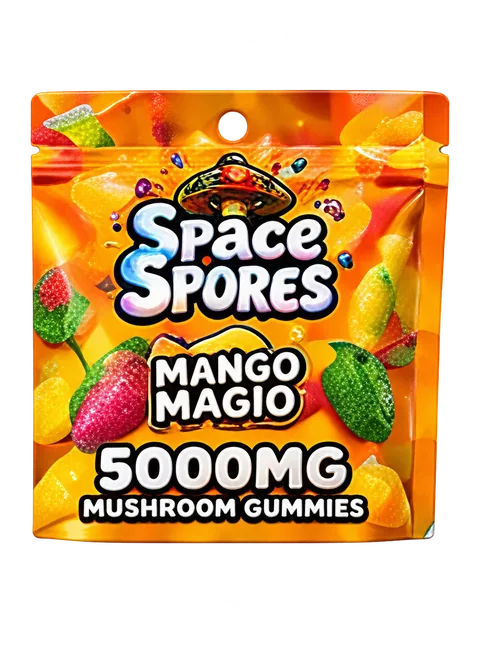
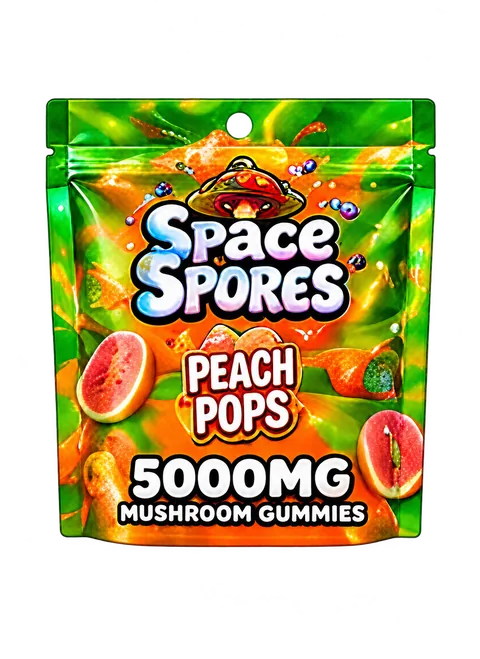
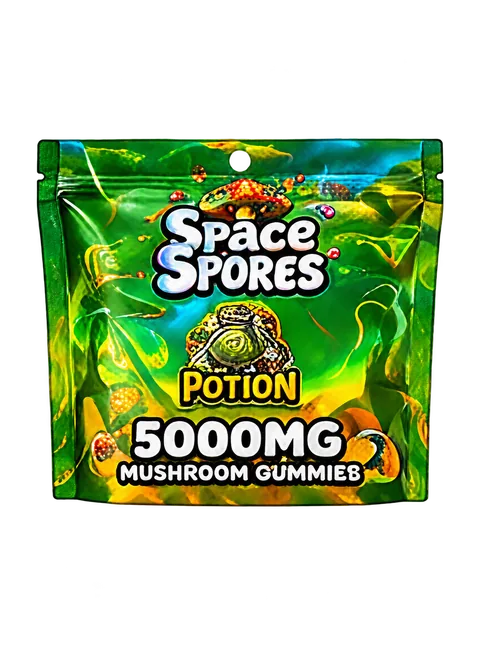
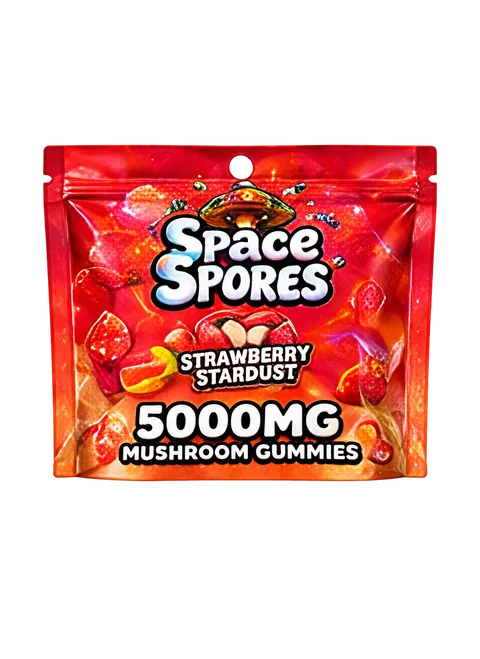
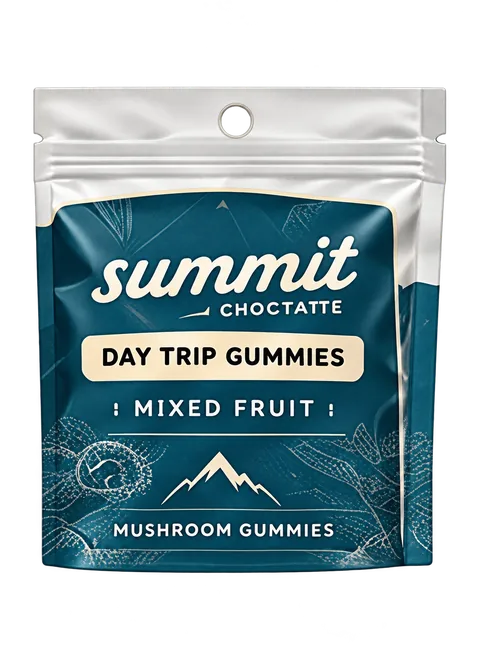
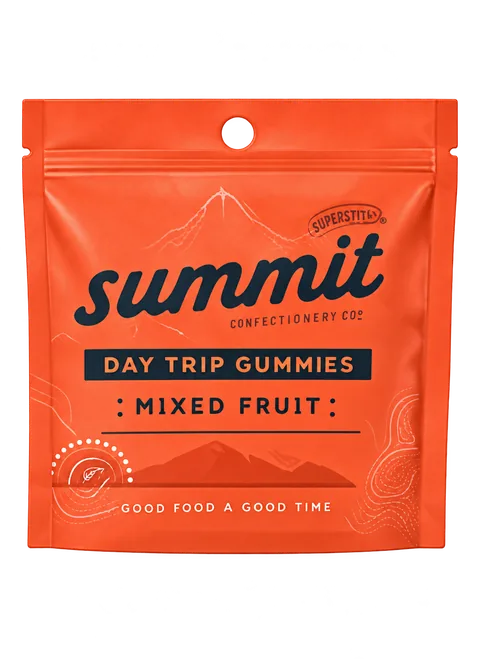
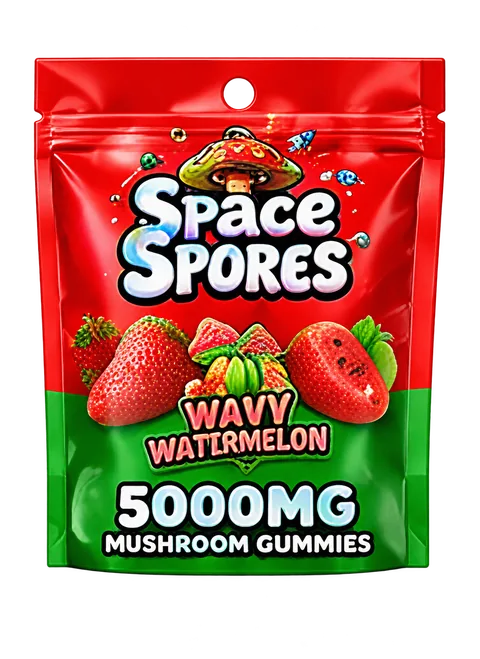
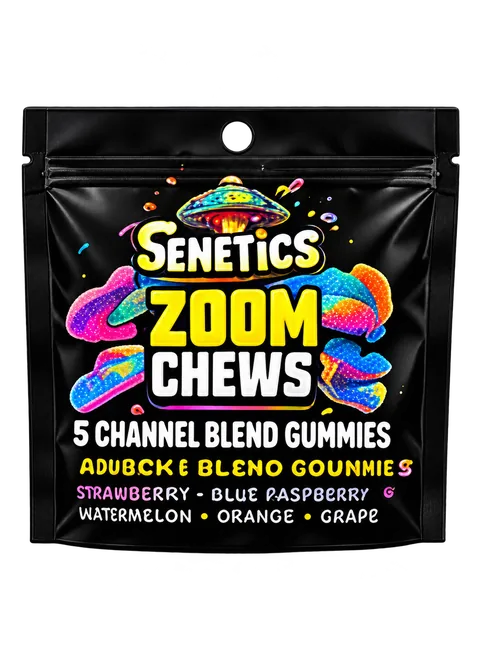
Magic mushroom chocolates are having a very loud moment: glossy wrappers, strain-name flexing, "hero dose" claims, and bars that look a little too much like something you'd grab at checkout while buying oat milk. But if you're already familiar with psilocybin, you know the real question isn't "Do they work?" It's: what's actually in that square, and can you trust the dose?
Read moreShow less
This review looks at magic mushroom chocolates through a practical harm-reduction lens: potency math, onset, formulation, fake products, recent public health alerts, and what seasoned users should scrutinize before treating a chocolate bar like a calibrated sacrament.
Magic mushroom chocolates are edible chocolate products infused with psilocybin-containing mushrooms, mushroom powder, extracts, or allegedly isolated tryptamines. In theory, they're simply a more palatable delivery system for psilocybin and psilocin.
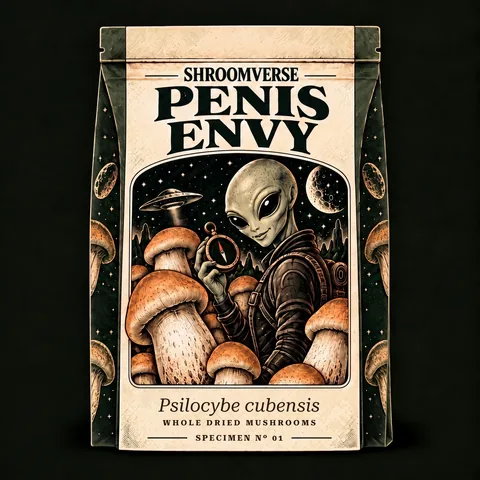
In practice? The market is messy. Some bars are made by careful underground formulators using known genetics like Penis Envy, Enigma, TAT, or Albino A+. Others are mystery candy with psychedelic branding and no credible sourcing.
How Psilocybin-Infused Chocolate Differs from "Mushroom" (Functional) Chocolate
Don't confuse magic mushroom chocolates with functional mushroom chocolate. A bar containing lion's mane, reishi, cordyceps, or chaga is usually non-psychedelic and sold for focus, mood, or wellness vibes.
Psilocybin chocolate is different: it contains, or claims to contain, psychoactive tryptamines from species like Psilocybe cubensis. If the package says "mushroom blend" but dodges psilocybin, psilocin, or species details, your eyebrows should go up.
Why Chocolate Is Used (Taste Masking, Dosing Convenience, Shelf Stability)
Chocolate does three useful things. First, it hides that unmistakable dried-fruiting-body flavor: earthy, bitter, vaguely "old hiking sock." Second, it allows portioning into squares, which feels cleaner than eyeballing stems at midnight.
Third, fat and sugar can help stabilize and distribute mushroom material when properly formulated. But chocolate doesn't magically make dosing accurate. Poor mixing can create "hot spots," where one square hits like a temple bell and another barely whispers.
Magic Mushroom Chocolates Effects: Onset, Duration, and What to Expect
Magic mushroom chocolates usually follow the oral psilocybin arc: gradual onset, rising perceptual intensity, peak, then a long emotional afterglow. Most people feel first effects within 20–90 minutes, with the peak around 1.5–3 hours and total duration around 4–8 hours.
Chocolate can slow things slightly compared with tea or lemon tek, especially after a heavy meal. That delay is where people get cocky. And cockiness has ruined many a Saturday.
Microdose vs. Moderate vs. High-Dose Experiences (General Ranges and Variability)
For dried cubensis, rough ranges often look like this:
Experience level
Approx. dried mushroom amount
Typical profile
Microdose
0.05–0.3 g
Sub-perceptual to lightly noticeable
Low/moderate
0.5–2 g
Mood lift, visuals, introspection
Strong
2–3.5 g
Immersion, time distortion, deep emotional material
High/heroic
3.5 g+
Ego dissolution potential, intense visuals, loss of ordinary reference points
Potency varies dramatically. Penis Envy and Enigma-type genetics may feel substantially stronger gram-for-gram than average cubensis. Treat strain claims as useful context, not gospel.
Set, Setting, and Interactions That Can Change Intensity (Food, Alcohol, Meds)
You already know set and setting matter. With chocolates, add digestion variables: empty stomach, caffeine, alcohol, cannabis, SSRIs, MAOIs, lithium, and sleep deprivation can all shift the terrain.
Alcohol can muddy judgment. Cannabis can intensify visuals or anxiety. Lithium is a serious red flag with psychedelics due to seizure and adverse reaction concerns. If you're stacking substances like a chaotic charcuterie board, don't pretend the chocolate is the only variable.
Dosing & Label Math: How to Estimate Potency Per Square or Serving
The biggest practical issue with magic mushroom chocolates is label math. A wrapper might say "4 grams," "4000 mg," "15 pieces," or "infused with psilocybin extract." Those are not equally useful.
If a 4 g bar has 16 squares, each square theoretically contains 0.25 g dried mushroom equivalent. Theoretically. That assumes honest labeling, uniform mixing, and actual mushroom content, three assumptions worth questioning.
Common Label Formats (Grams of Dried Mushrooms vs. mg of Psilocybin/Psilocin)
Most underground bars list dried mushroom weight: 3.5 g, 4 g, 5 g, sometimes an absurd 10 g claim. Clinical and research contexts usually discuss milligrams of psilocybin.
These aren't interchangeable without testing. Dried mushrooms may contain widely variable psilocybin/psilocin concentrations depending on genetics, cultivation, storage, and maturity. A 2 g Enigma chocolate may overpower a 3.5 g average cubensis bar. Mutant genetics don't care about your spreadsheet.
How to Start Low and Go Slow (Timing Between Redoses, Avoiding Stacking)
For unfamiliar chocolate, treat the first session like calibration, not conquest. Start with a fraction, wait at least 2 hours before considering more, and avoid "I don't feel it yet" redosing.
Stacking is especially risky with slow digestion. By the time the second serving lands, the first may still be climbing. If you're working with high-potency genetics, leave room for humility. Humility is cheaper than calling your ex from the astral plane.
Safety, Risks & Public Health Alerts (What Recent Reports Found)
Psilocybin mushrooms are not well-regulated in most of the United States, and edible products add another layer of uncertainty. Poison centers have reported exposures involving mushroom-containing chocolates, including cases with agitation, hallucinations, nausea, vomiting, abnormal heart rate, and hospitalization.
In 2024, the FDA warned consumers about Diamond Shruumz products after reports of serious illness linked to chocolates, gummies, and cones marketed with mushroom branding. That advisory changed the conversation.
Why Some "Magic Mushroom" Chocolates May Contain Other Compounds or Contaminants
A bar can claim "psilocybin" and still contain something else: synthetic tryptamines, muscimol-containing mushrooms, research chemicals, THC, stimulants, or contaminants from sloppy production.
Some products use cartoonish packaging and vague phrases like "proprietary nootropic blend." Translation: you may be volunteering as QA. Without lab testing, you can't confirm alkaloid profile, microbial safety, heavy metals, or whether the "mushroom" is even psilocybin-active.
Who Should Avoid Use (Pregnancy, Certain Mental Health Conditions, Medication Risks)
Avoid psilocybin products if you're pregnant, breastfeeding, prone to psychosis or mania, or have a personal/family history of schizophrenia or bipolar I disorder. Also be cautious with heart conditions, seizure disorders, or unstable blood pressure.
Medication interactions matter. SSRIs may blunt effects; MAOIs may intensify them; lithium is particularly concerning. If you're managing trauma, depression, or substance use, don't white-knuckle it solo. Structured clinical support can be the difference between insight and overwhelm.
How to Spot Real vs. Fake Magic Mushroom Chocolates
Real versus fake magic mushroom chocolates is less about shiny branding and more about transparency. The most suspicious bars often look the most professional: holographic wrappers, loud strain claims, QR codes leading nowhere, and potency numbers that feel like they were written during a dare.
Good producers tend to be boring in the best way: clear ingredients, batch numbers, realistic dosing, storage instructions, and no cartoon mascots winking at children.
Red Flags: Unrealistic Potency Claims, Vague Ingredients, Missing Batch/Testing Info
Watch for these:
"10,000 mg" with no explanation
No mushroom species or cultivar listed
No batch number or testing information
Packaging mimicking candy brands
Claims of "legal psilocybin" in states where that's not accurate
Wild strain flexes without dose guidance
If a bar says "Penis Envy mega blast cosmic edition" but can't tell you per-square dosing, hard pass.
What to Look For: Transparent Sourcing, Lab Testing/COAs, Dosage Clarity, Packaging Cues
Better indicators include a certificate of analysis, clear dried-mushroom-equivalent or psilocybin/psilocin measurements, tamper-evident packaging, adult-focused design, and allergen labeling.
A COA should come from a third-party lab and match the batch number. Look for potency plus contaminants, not just a pretty PDF. If you can't verify the QR code or lab name, treat it as decoration. Psychedelic glitter, basically.
How Magic Mushroom Chocolate Bars Are Made (High-Level Overview)
At a high level, magic mushroom chocolate bars are made by combining chocolate with measured mushroom material or extract, then portioning the mixture into molds. The skill is in even distribution, temperature control, and preserving active compounds.
This is where many homemade and gray-market bars fall short. If the mushroom powder clumps or settles, the bar becomes a psychedelic roulette wheel. Fun at casinos. Less fun with tryptamines.
Ingredients and Formulation Basics (Powder, Extracts, Emulsification, Flavor Add-Ins)
Typical formulations use dark, milk, or vegan chocolate plus finely milled mushroom powder or extract. Dark chocolate pairs well with earthy alkaloid bitterness; peanut butter, sea salt, espresso, chili, or freeze-dried raspberry can hide funk.
Emulsification matters because mushroom material doesn't dissolve like sugar. It has to be evenly suspended. Without consistent mixing, one corner may hold most of the payload. That's not "artisanal." That's inaccurate.
Storage and Stability: Heat, Moisture, Light, and Child/Pet-Proofing
Heat melts chocolate and can degrade quality. Moisture encourages spoilage. Light and oxygen aren't friends either. Store products cool, dry, sealed, and clearly labeled.
More importantly: lock them away from children, pets, roommates, and snacky houseguests. Chocolate is uniquely risky because it looks harmless. A psilocybin bar should never live beside normal candy. Put it in a lockbox, not the freezer door next to waffles.
Conclusion
Magic mushroom chocolates can be elegant, convenient, and surprisingly potent, but they're only as trustworthy as their sourcing, formulation, and labeling. For experienced users chasing depth, the real flex isn't swallowing the strongest square. It's knowing exact